



Plan Your Trip
Practical travel advice, local insights, and useful resources to help you plan your journey through Vietnam.
Planning your first trip to Vietnam can feel exciting—and sometimes a little overwhelming.
Vietnam stretches from the mountains of the north to the tropical islands of the south, with thousands of kilometres of coastline, busy cities, peaceful countryside, ancient towns, rice fields, limestone mountains, rivers, beaches, and countless regional dishes.
There is no single “right” way to travel around Vietnam.
Some travelers want to see as much as possible, moving from South to North or North to South. Others prefer to slow down and spend more time in one region, getting to know the food, people, landscapes, and local way of life.
As a local guide who has travelled and worked in different parts of Vietnam, I have learned that a good trip is not necessarily about visiting the most places. It is about choosing the places that fit your time, interests, budget, and travel style.
That is what this page is for.
I created this guide to help you make practical decisions before you arrive—from choosing destinations and booking flights to understanding weather, transportation, money, packing, connectivity, and everyday travel in Vietnam.
Plan Your Vietnam Journey
When planning a trip to Vietnam, different travelers have different approaches.
With nearly 2,000 kilometres of diverse landscapes, Vietnam can be explored in many different ways.
Some choose to explore the entire country, journeying through the South, Central, and North in a single adventure—either from south to north or in the opposite direction.
Others prefer to focus on one region, taking more time to experience its culture, landscapes, cuisine, and local way of life.
Both approaches can work.
If you have only one week, I would not recommend trying to see the entire country. You will spend too much time moving between airports, hotels, and attractions.
With 10–14 days, you can combine two or three regions comfortably.
With three weeks or more, a longer South-to-North or North-to-South journey becomes much more realistic.
Whatever your travel plan, a little preparation can make your Vietnam journey smoother, more comfortable, and more enjoyable.
Here are some essential travel resources to help you plan every stage of your trip.
Before You Go
1. Choose Where to Go in Vietnam
Vietnam is long and geographically diverse, so start by deciding what type of experience you want.
| Region | Best for | Places to consider |
|---|---|---|
| Northern Vietnam | History, mountains, culture, photography | Hanoi, Ninh Binh, Ha Long Bay, Sapa |
| Central Vietnam | Beaches, heritage, food | Da Nang, Hoi An, Hue |
| Southern Vietnam | Cities, rivers, tropical islands | Ho Chi Minh City, Mekong Delta, Phu Quoc |
| Central Highlands | Coffee, mountains, cooler weather | Da Lat |
| South Coast | Beaches and relaxation | Nha Trang, Mui Ne |
My advice for first-time visitors
If you have never been to Vietnam, don’t try to see everything.
For example:
7 days:
Choose one region or two nearby destinations.
10 days:
Combine two major regions.
14 days:
South + Central + North can work with carefully planned domestic flights.
21+ days:
You have much more freedom to travel slowly by a combination of flights, trains, buses, and private transfers.
The biggest mistake I see first-time travelers make is trying to put too many destinations into a short itinerary.
Vietnam may look compact on a map, but travel between destinations can take much longer than expected.
2. Find the Best Flights
Your international flight is usually the first major booking to make.
Compare different airlines, departure cities, arrival airports, baggage allowances, connection times, and cancellation conditions.
Vietnam’s major international gateways include:
- Ho Chi Minh City – Tan Son Nhat International Airport
- Hanoi – Noi Bai International Airport
- Da Nang International Airport
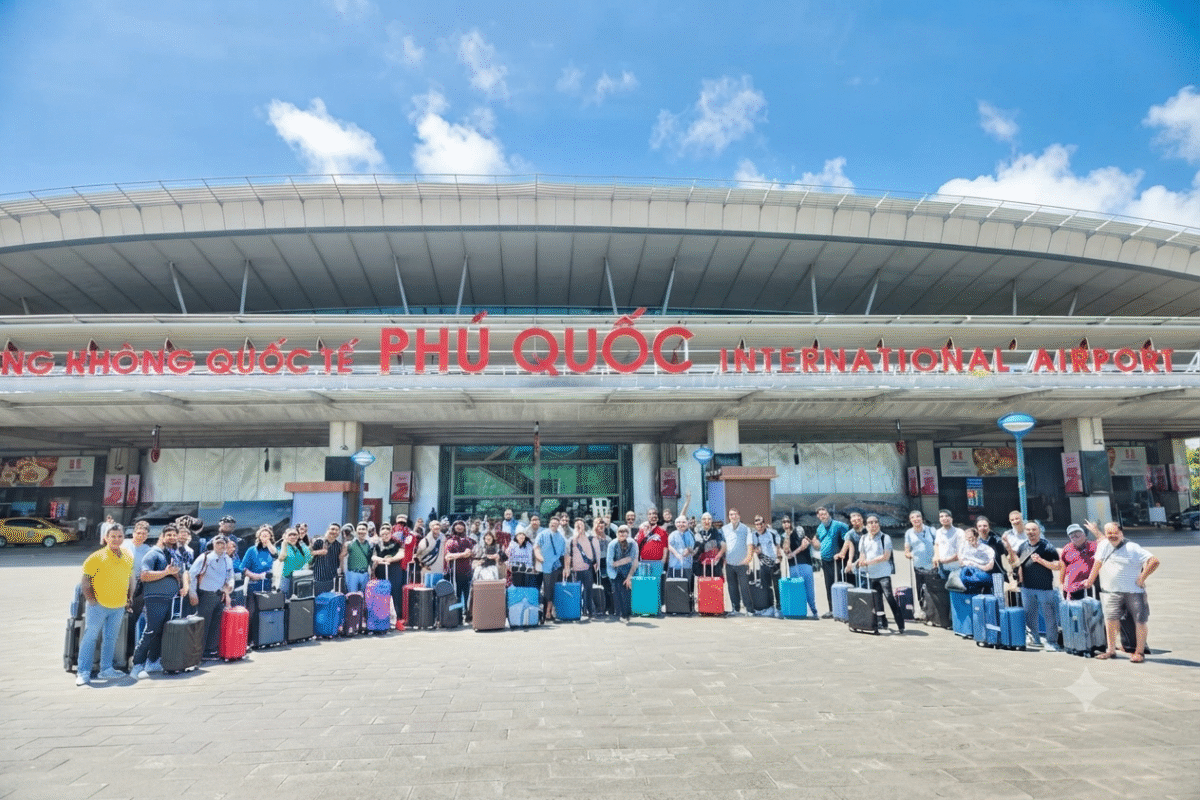
- Phu Quoc International Airport
If you are planning a long Vietnam journey, consider an open-jaw itinerary.
For example:
Fly into Ho Chi Minh City → travel north → fly home from Hanoi
Instead of:
Fly into Ho Chi Minh City → travel north → return to Ho Chi Minh City → fly home
This can save both time and transportation costs.
3. Check Vietnam Visa Requirements
Visa requirements depend on your nationality, passport, travel dates, and the purpose of your visit.
Vietnam currently offers an e-visa option for citizens of all countries and territories, with e-visas available for stays of up to 90 days and single or multiple entry options. However, immigration rules can change, so always check the official government information before booking non-refundable travel.
Important: Make sure the information on your visa application matches your passport and travel plans.
Check your passport validity well before departure and keep digital and printed copies of important travel documents.
For visa information, use the official Vietnamese immigration/e-visa resources rather than relying only on social-media posts or unofficial visa websites.
4. Book Your Accommodation
Vietnam has accommodation for almost every type of traveler.
You can choose from:
- Luxury resorts
- International hotels
- Boutique hotels
- Family-run guesthouses
- Homestays
- Beach resorts
- Budget hotels
- Hostels
- Eco-lodges
Popular destinations include:
- Ho Chi Minh City
- Phu Quoc Island
- Mekong Delta
- Da Nang
- Hoi An
- Hue
- Hanoi
- Ha Long Bay
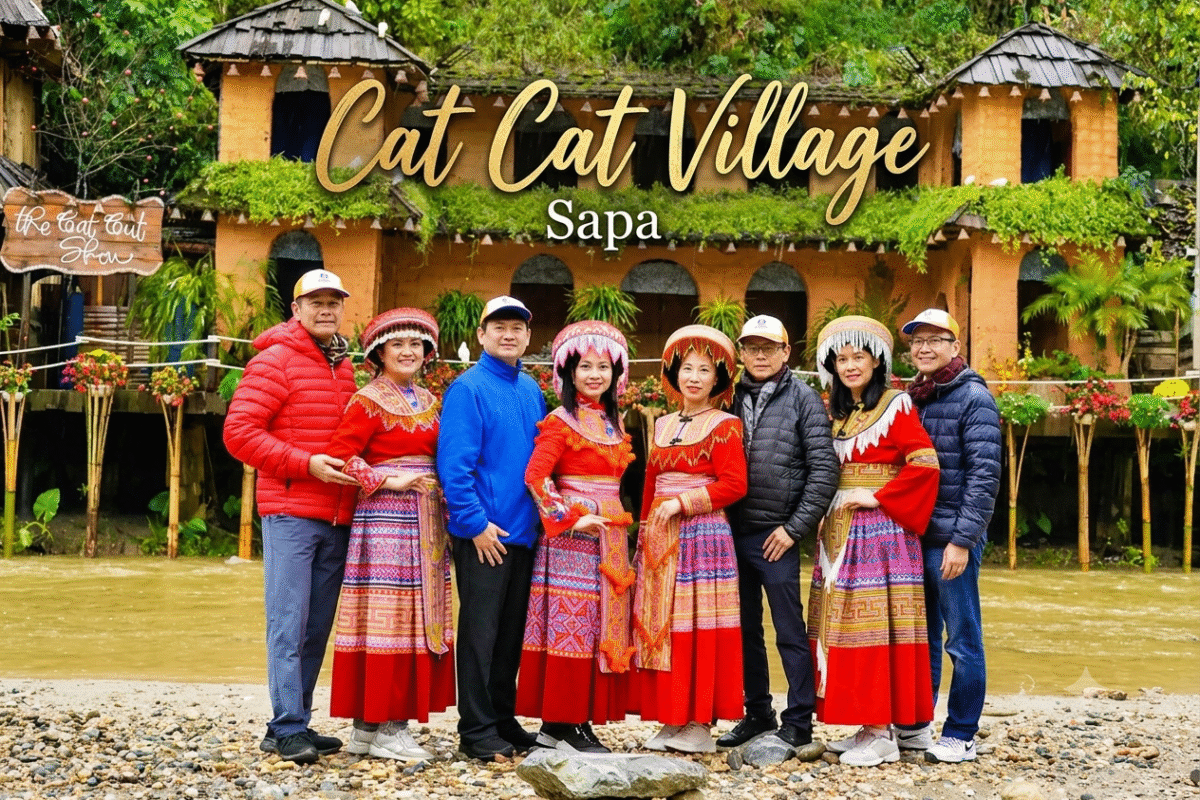
- Sapa
- Ninh Binh
A local tip about hotel location
Don’t choose a hotel only because it has a good price.
Location can make a huge difference.
A hotel that is $10 cheaper but requires a long taxi ride every day may actually cost you more—and waste valuable holiday time.
For cities, check the distance to the places you actually want to visit.
For beaches, check whether the hotel is genuinely close to the beach rather than simply advertising a “beach area.”
For rural areas, check transportation options before booking.
5. Discover Tours & Activities
Vietnam is easy to explore independently, but some experiences are better with a knowledgeable local guide.
Consider guided experiences for:
- Food tours
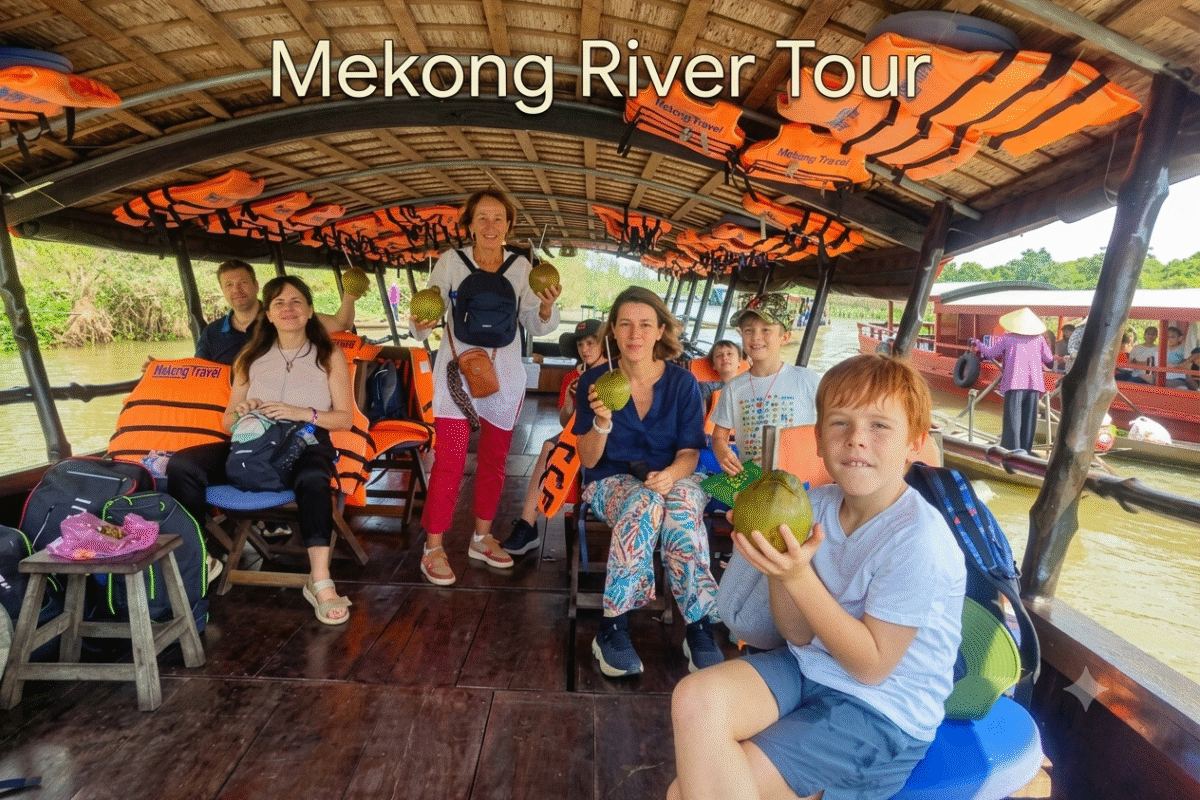
- Mekong Delta boat trips
- Vietnamese cooking classes
- Historical sites
- Local markets
- Cu Chi Tunnels
- Cultural experiences
- Island hopping
- Snorkelling
- Hiking
- Cycling
- Photography tours
I believe a good guide should explain the destination honestly rather than simply take you from one attraction to another.
Throughout The Son Mekong, I share recommendations based on places I have visited, tours I have guided, and businesses or experiences I have personally encountered.
Not every attraction is right for every traveler.
That is why I try to explain who a place is suitable for, what to expect, when to go, and what to watch out for.
6. Choose the Right Time to Visit Vietnam
Vietnam does not have one single climate.
The weather changes significantly between the north, central region, and south.
Northern Vietnam
Hanoi, Ha Long Bay, Ninh Binh, and Sapa can experience cooler winters and hot, humid summers.
Sapa can become surprisingly cold in winter.
Central Vietnam
Da Nang, Hoi An, and Hue have different weather patterns from the north and south.
The central region can experience heavier rain during parts of the later year.
Southern Vietnam
Ho Chi Minh City and the Mekong Delta remain warm throughout the year.
The rainy season from May to October generally brings short but sometimes long and heavy rain.
Phu Quoc
Phu Quoc has a tropical climate.
The official tourism guide describes October to June as generally clearer and sunnier, while July to September can be stormier and wetter.
That doesn’t mean you cannot visit during the rainy season.
Rain can be unpredictable, and some days are still beautiful.
My advice is simply to build flexibility into your schedule.
7. Decide How to Travel Around Vietnam
Vietnam offers many transportation options.
Domestic flights
Best for long distances when your vacation time is limited.
For example:
Ho Chi Minh City → Da Nang
is much more practical by air than spending most of a day on the road.
Trains
Vietnam’s railway is a good choice if you want to slow down and experience the country differently.
The North–South railway connects many major destinations.
Long-distance buses
Sleeper buses can be useful for budget travelers and certain overnight journeys.
However, comfort varies considerably between operators.
Private cars
A private driver can be worthwhile for families, couples, photographers, or travelers who want flexibility.
Ferries and boats
Important for destinations such as Phu Quoc and some Mekong Delta routes.
Weather conditions can sometimes affect boat schedules.
Motorbikes
Motorbikes can be a fantastic way to explore Vietnam, but they are not suitable for everyone.
Make sure you understand local traffic rules, licensing requirements, insurance coverage, road conditions, and your own riding ability before choosing this option.
8. Stay Connected
A reliable internet connection makes traveling much easier.
You can use:
- eSIM
- Local SIM card
- Hotel Wi-Fi
- Mobile hotspot
An eSIM can be especially convenient because you can arrange mobile data before arriving and avoid searching for a SIM counter immediately after a long flight.
If your phone supports eSIM, this is one travel purchase I would seriously consider.
It is useful for:
- Google Maps
- Translation apps
- Ride-hailing apps
- Hotel communication
- Online bookings
- Emergency communication
9. Get Travel Insurance
Travel insurance is not the most exciting part of trip planning, but it is one of the things I recommend taking seriously.
Look for coverage that suits your trip, especially if you plan to:
- Ride a motorbike
- Trek in the mountains
- Participate in water activities
- Take multiple domestic flights
- Travel with children
- Visit several countries
Depending on the policy, travel insurance may cover medical emergencies, trip interruption, cancellation, baggage problems, or other unexpected situations.
Always read the actual policy rather than assuming everything is covered.
10. Prepare Your Money
Vietnam’s currency is the Vietnamese đồng (VND).
Banknotes range from small denominations to the 500,000 VND note, and there are no commonly used coins. International cards are widely accepted in hotels, restaurants, shops, and other established businesses, while cash remains useful for street food, markets, small shops, taxis, and more remote areas.
My practical money advice
Carry a small amount of cash every day.
Don’t carry all your travel money in one place.
Use a combination of:
- International debit/credit card
- ATM withdrawals
- Some Vietnamese cash
- A backup card
And always check the amount before handing over cash.
500,000 VND and 20,000 VND notes can look surprisingly similar at a quick glance.
11. What to Pack for Vietnam
You don’t need to bring your entire wardrobe.
For most travelers, lightweight and practical clothing works best.
Vietnam packing essentials
- Passport and travel documents
- Travel insurance information
- Lightweight clothing
- Comfortable walking shoes
- Sandals
- Rain jacket or umbrella
- Sunscreen
- Insect repellent
- Universal travel adapter
- Power bank
- Reusable water bottle
- Small daypack
- Basic medication
- Phone
- Camera or action camera
- Sunglasses
- Hat
For northern Vietnam
If you visit during cooler months, bring layers.
For mountain areas
Bring a warmer jacket and suitable shoes.
For beaches
Pack swimwear, sun protection, and a waterproof phone case.
If you plan to spend time on islands, beaches, boats, or water activities, a waterproof phone case can be surprisingly useful.
12. Vietnam Travel Tips That Can Save You Time and Money
Eat where local people eat
A busy local restaurant can sometimes tell you more than an expensive tourist restaurant.
Don’t be afraid of simple places—but use normal judgment about hygiene.
Travel early
Early mornings are often cooler and less crowded.
They are also excellent for photography.
Use Grab where available
Ride-hailing apps can make getting around larger cities easier, especially when you don’t speak Vietnamese.
Don’t exchange too much money at once
ATMs and currency exchange facilities are available in major destinations.
Avoid changing hotels every night
Packing, checking out, traveling, and checking in repeatedly can make a trip exhausting.
Give yourself enough time to enjoy each destination.
13. Photography Tips for Vietnam
Vietnam is an excellent destination for photographers.
Best sunrise opportunities
Consider:
- Ha Long Bay
- Ninh Binh
- Hoi An
- Phu Quoc
- Mekong Delta
- Sapa
Great sunset locations
Consider:
- Phu Quoc’s west coast
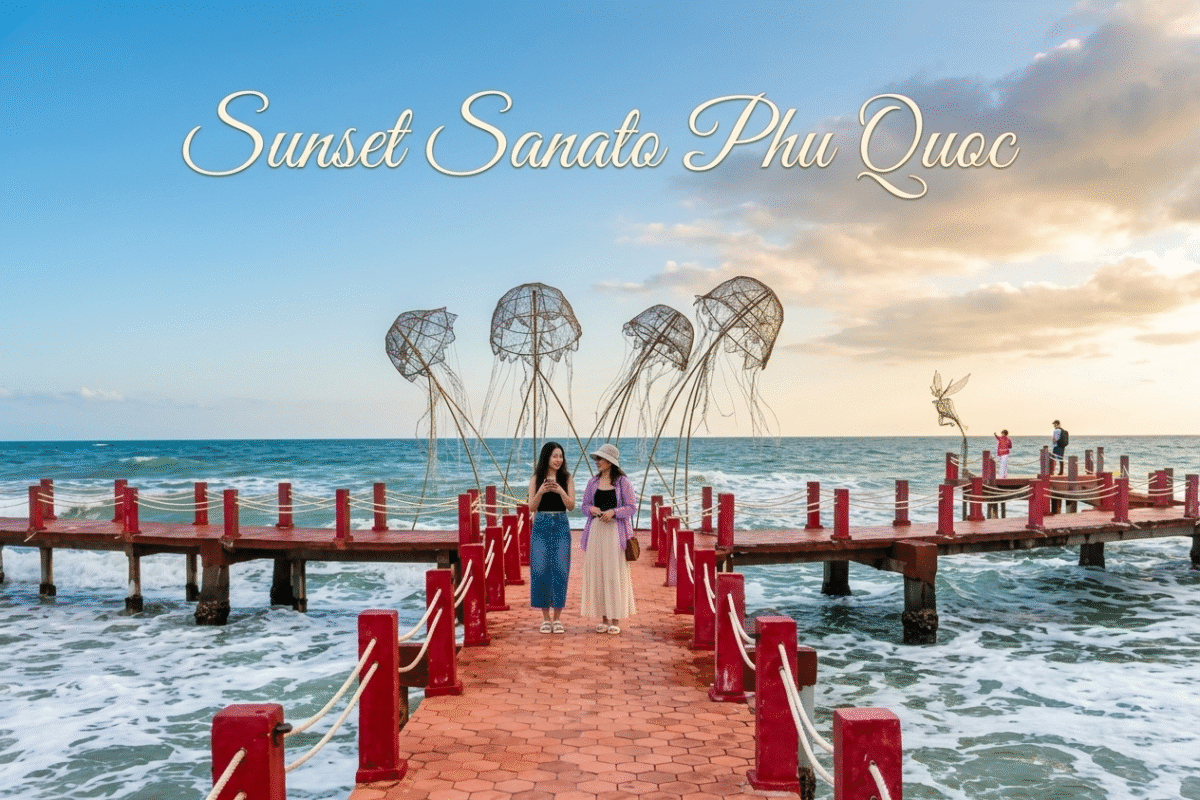
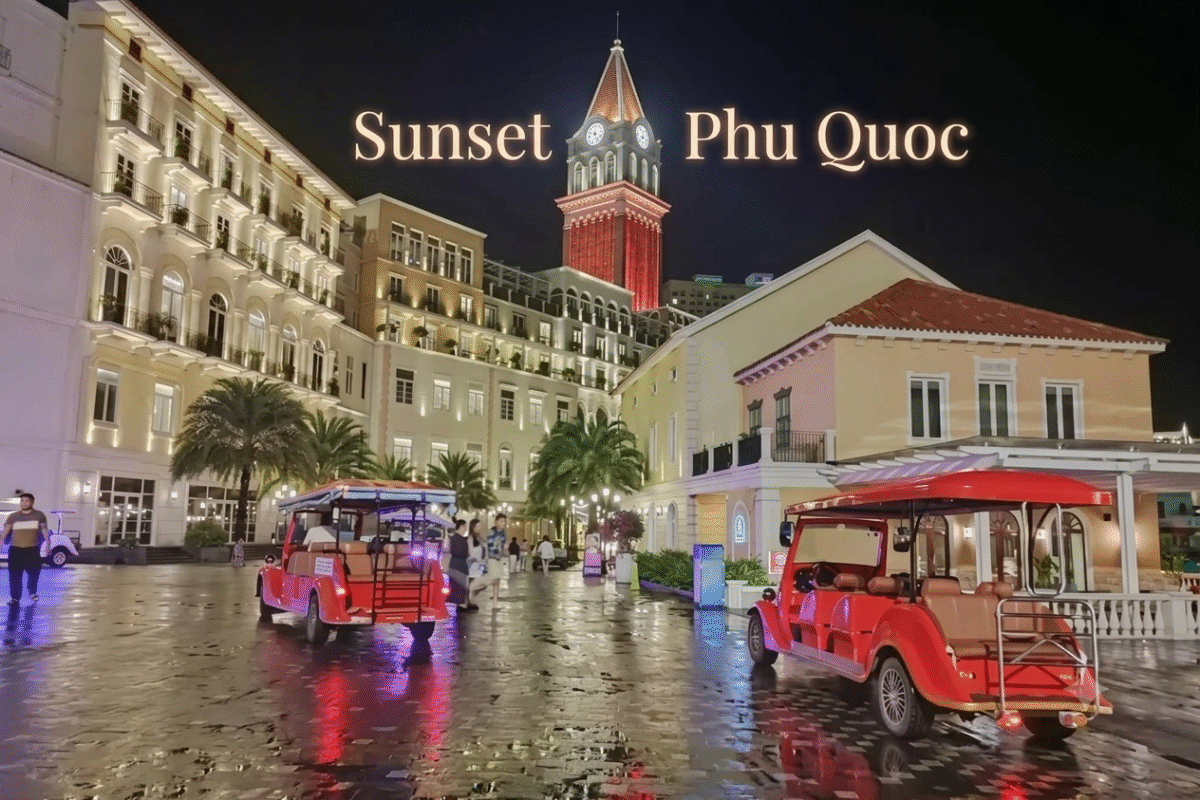
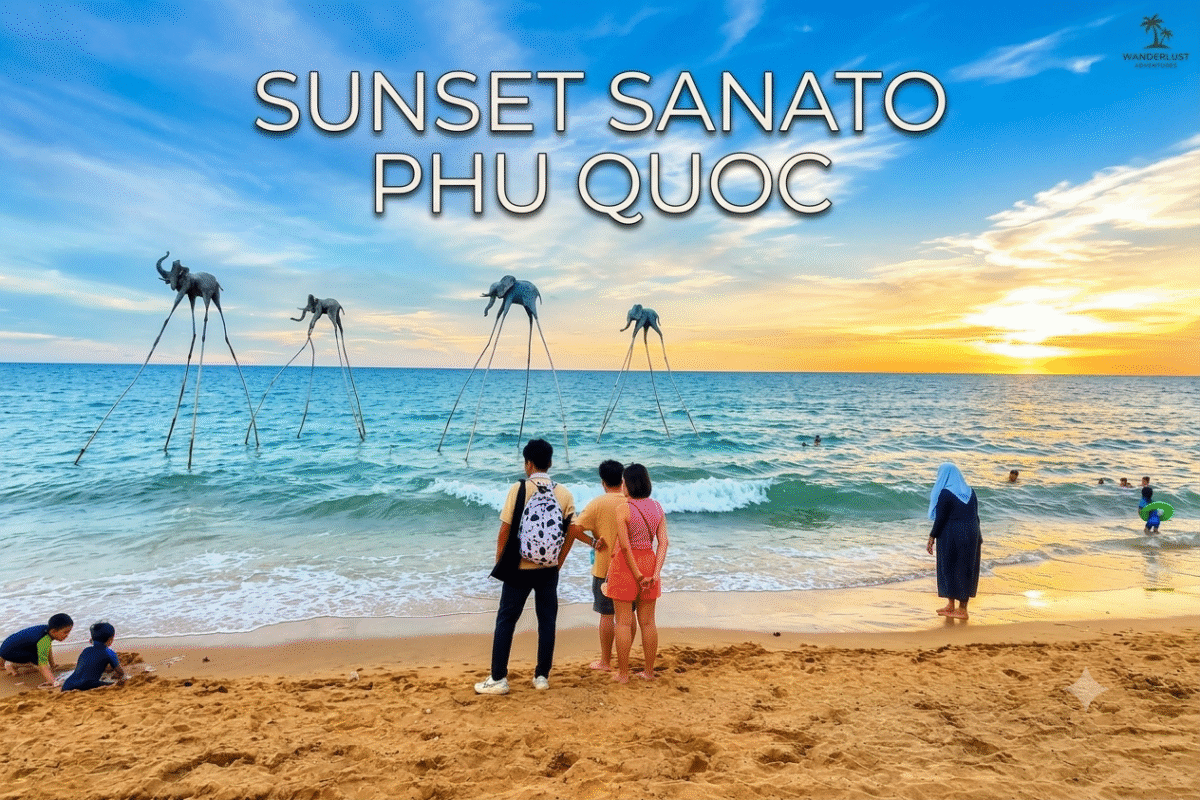
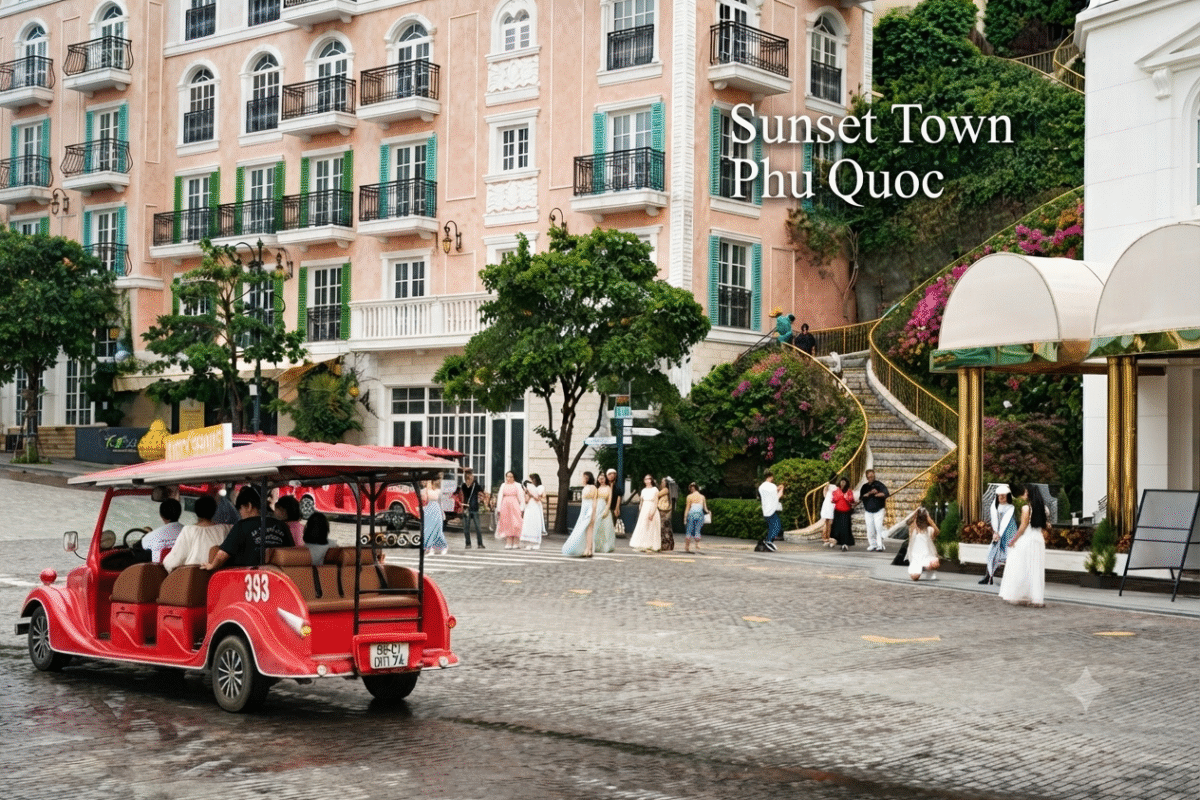
- Sunset Town, Phu Quoc
- Hoi An
- Da Nang beaches
- Mekong riverside areas
The exact conditions vary by season and weather.
Local photography tip
Don’t photograph only famous landmarks.
Some of my favorite images are often ordinary scenes:
A coffee shop opening in the morning.
A fisherman returning from the sea.
A market preparing for the day.
A farmer working among the rice fields.
A street vendor preparing breakfast.
These moments often tell you more about Vietnam than a perfectly framed tourist attraction.
Always be respectful when photographing people, especially monks, children, ceremonies, and private family moments.
14. Cultural Etiquette
Vietnamese people are generally welcoming to visitors, but a little cultural awareness goes a long way.
Remember to:
- Dress respectfully at temples and pagodas.
- Remove shoes where requested.
- Avoid touching someone’s head.
- Ask before photographing people closely.
- Keep your voice low at religious sites.
- Use both hands when giving or receiving something important when appropriate.
- Be patient when things do not happen exactly on your schedule.
A smile and a simple “Xin chào” can go a long way.
You don’t need to speak Vietnamese fluently.
Learning a few words shows respect.
15. Safety Tips for First-Time Visitors
Vietnam is an exciting destination, but normal travel precautions still apply.
Keep your belongings secure in crowded places.
Be particularly careful with phones and cameras near busy roads.
When crossing streets, move predictably and avoid suddenly stopping in the middle of traffic.
Keep copies of your passport and important documents.
Use reputable transportation providers.
If you rent a motorbike, understand the legal and insurance requirements first.
For boats, ferries, hiking, and water activities, always pay attention to weather and local safety instructions.
And if something feels unsafe, don’t do it simply because other tourists are doing it.
16. Travel More Slowly When You Can
One of my strongest recommendations for first-time visitors is simple:
Don’t rush Vietnam.
If you have 12 days, you don’t need 12 destinations.
Three or four well-chosen destinations can give you a much better experience.
For example:
Southern Vietnam
Ho Chi Minh City → Mekong Delta → Phu Quoc
This combination gives you city life, rivers and countryside, and tropical beaches.
Central Vietnam
Da Nang → Hoi An → Hue
This is a great combination of beaches, food, history, architecture, and culture.
Northern Vietnam
Hanoi → Ninh Binh → Ha Long Bay → Sapa
This offers cities, limestone landscapes, rice fields, mountains, and northern culture.
17. A Simple Vietnam Planning Checklist
Before departure, check that you have:
☐ Passport with sufficient validity
☐ Visa or visa exemption confirmed
☐ International flights booked
☐ First hotel booked
☐ Travel insurance
☐ Airport transfer arranged if needed
☐ eSIM or mobile-data plan
☐ Some Vietnamese cash
☐ Bank cards
☐ Comfortable shoes
☐ Weather-appropriate clothing
☐ Power bank
☐ Universal adapter
☐ Essential medication
☐ Copies of important documents
☐ Important hotel and transport information saved offline
18. Useful Travel Products
I don’t recommend buying travel products simply because they are available.
Buy them when they solve a real problem.
Useful items for Vietnam
eSIM – convenient for maps, translation, bookings, and communication.
Travel insurance – useful protection against unexpected medical or travel problems.
Power bank – especially useful on long travel days, boat trips, and photography days.
Universal travel adapter – useful if you carry several devices.
Waterproof phone case – particularly useful in Phu Quoc, the Mekong Delta, and during water activities.
Travel backpack – more convenient than carrying a large suitcase on every type of transport.
Packing cubes – useful if you are moving between several hotels.
Noise-cancelling headphones – helpful on long flights, trains, and buses.
Camera or action camera – Vietnam offers plenty of opportunities for photography and video.
Vietnamese phrasebook – useful if you want to go beyond the tourist areas.
19. Useful Resources on The Son Mekong
I am building The Son Mekong as a practical resource for travelers who want to understand Vietnam before they arrive.
You may also want to explore:
Plan Your Trip
- [Vietnam Itineraries]
- [Vietnam Transportation Guide]
- [Vietnam Weather Guide]
- [Vietnam Travel Essentials]
- [Vietnam Travel Tips]
- [Vietnam Food Guide]
- [Vietnam Travel Safety Tips]
Travel Store
Visit my Travel Store for practical travel products and services I believe can genuinely help travelers, including accommodation, tours, travel insurance, eSIMs, travel accessories, and selected travel gear.
Some links may be affiliate links. If you purchase through them, I may earn a small commission at no additional cost to you. This helps support The Son Mekong and allows me to continue creating free travel information.
20. My Approach to Travel Advice
There is plenty of travel information online.
My goal is not to add more generic lists.
I want The Son Mekong to be useful because the advice comes from real experience.
I work as a local guide and have spent years helping international and domestic travelers explore Vietnam.
That means I have seen both the good and the less convenient sides of travel.
A beautiful destination can be crowded.
A highly rated restaurant may not suit everyone.
Rain can change an itinerary.
A journey that looks short on Google Maps may take much longer in real traffic.
And sometimes a small local experience becomes the most memorable part of a trip.
I will try to tell you these things honestly.
My principles are simple:
Honest. Practical. Based on real experience.
I would rather tell you what to realistically expect than promise a perfect holiday.
Frequently Asked Questions About Planning a Vietnam Trip
How many days do I need for Vietnam?
For a first visit, 10–14 days is a good starting point. Seven days is better spent in one or two regions, while three weeks or more allows a slower South-to-North or North-to-South journey.
Is Vietnam good for first-time travelers?
Yes. Vietnam offers a wide range of accommodation, transportation, food, tours, and activities for different budgets and travel styles.
Is Vietnam expensive?
Vietnam can offer excellent value, but your budget depends greatly on your accommodation, transportation, activities, and travel style. Budget travelers can use hostels, local food, and public or shared transportation, while luxury travelers have a wide range of resorts, private tours, and premium experiences.
Should I carry cash in Vietnam?
Yes. Cards are widely accepted in established businesses, but cash remains useful for small restaurants, markets, street food, taxis, and smaller destinations.
Do I need travel insurance for Vietnam?
Travel insurance is strongly worth considering, especially if you plan to participate in adventure activities, ride a motorbike, travel with expensive equipment, or visit multiple destinations.
Is Vietnam safe for tourists?
Vietnam is generally a comfortable destination for international visitors, but normal precautions are important. Take care of your belongings, use reputable transportation, follow local safety advice, and be particularly careful around traffic.
Can I travel around Vietnam independently?
Yes. Independent travel is possible and can be very rewarding. However, local guides can be useful for historical sites, food experiences, rural areas, and places where local knowledge adds value.
Should I visit North, Central, or South Vietnam?
It depends on what you enjoy. Northern Vietnam is excellent for mountains, history, and landscapes. Central Vietnam combines beaches, heritage, and food. Southern Vietnam is particularly attractive for city life, the Mekong Delta, and tropical Phu Quoc.
Can I visit Phu Quoc during the rainy season?
Yes, but expect less predictable weather. The official tourism guide describes July to September as the wetter and stormier period, while October to June is generally clearer.
Helpful Official Resources
For current visa, weather, transportation, and destination information, I recommend checking official sources as well as independent travel guides.
Vietnam National Authority of Tourism:
Vietnam Tourism – Official Travel Website
Vietnam Tourism – Plan Your Trip:
Official Vietnam travel planning resources
Vietnam Tourism – Weather Guide:
Vietnam weather and climate guide
Sample Vietnam Itineraries
Here are some suggested itineraries to help you start planning your adventure:
Option 1: A 5-Day Trip in Vietnam
To help you get started, here are two suggested itineraries: a compact 5-day tour and a more immersive 12-day journey through Vietnam’s top destinations.
A short but enriching journey for travelers with limited time. You can begin your trip from Phu Quoc Island, Ho Chi Minh City, Danang, or Hanoi, then connect to nearby destinations.
Here’s an example itinerary starting from Ho Chi Minh City (South Vietnam):
Day 1: Arrival in Ho Chi Minh City
- Arrival at Tan Son Nhat International Airport.
- A city tou visit: Independence Palace, War Remnants Museum, Notre Dame Cathedral, Central Post Office, Opera House, City Hall, and Ben Thanh Market. Overnight in HCMC.
Day 2: Cu Chi Tunnels
- Travel 60 km from the city to the historic Cu Chi Tunnels, an underground network built during the Vietnam War.
- Return to Ho Chi Minh City. Overnight in HCMC.
Day 3: Ho Chi Minh City – My Tho – Can Tho (Mekong Delta)
- Depart for My Tho (70 km). Visit Vinh Trang Pagoda, then take a boat tour along the Mekong River and its islands.
- Enjoy visits to a bee farm, a village walk, tropical fruits, folk music, and a candy workshop. Lunch Time.
- Continue to Can Tho, the capital of the Mekong Delta.
- Overnight in Can Tho.
Day 4: Can Tho – Floating Market – Ho Chi Minh City
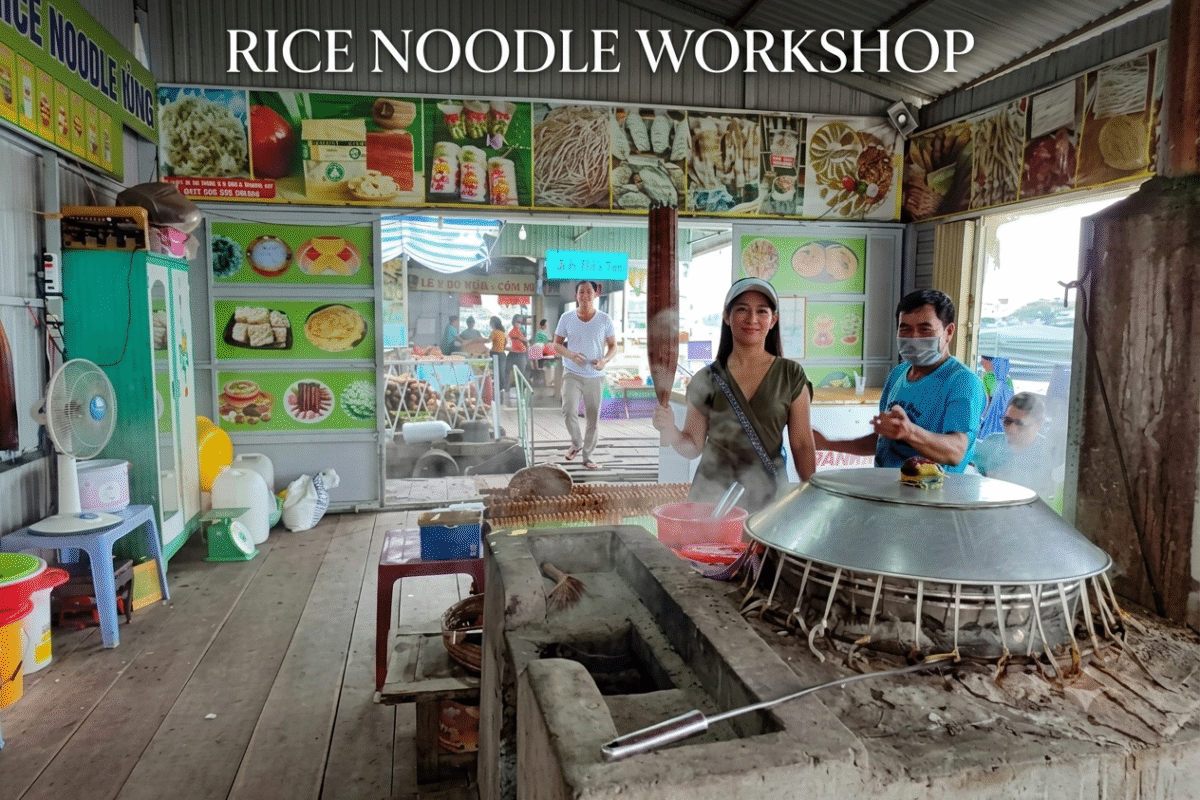
- Early morning boat trip to Cai Rang Floating Market, followed by visits to a rice noodle workshop and Binh Thuy Ancient House.
- Lunch, then return to Ho Chi Minh City (160 km).
- Overnight in Ho Chi Minh City.
Day 5: Ho Chi Minh City – Departure
Enjoy free time in the morning for shopping, last-minute sightseeing, or relaxing at a café to soak in the city’s vibrant atmosphere. Depending on your schedule, you may want to visit local markets for souvenirs, stroll along Dong Khoi Street for boutique shopping, or simply unwind before your transfer to Tan Son Nhat International Airport for your departure. End of Tour.
Whether you’re planning a short getaway or a longer journey, Vietnam has endless experiences waiting to be discovered. Use the search box above to explore more tour options and design the itinerary that best suits your time, interests, and travel style.
Option 2: A 12-Day Trip in Vietnam
For travelers with more time, this itinerary takes you through the highlights of all three regions of Vietnam — South, Central, and North — blending culture, history, and natural wonders.
Day 1: Arrival in Ho Chi Minh City – City Tour (Overnight in HCMC)
Day 2: Excursion to Cu Chi Tunnels (Overnight in HCMC)
Day 3: Mekong Delta day trip (Overnight in HCMC)
Day 4: Fly to Phu Quoc Island
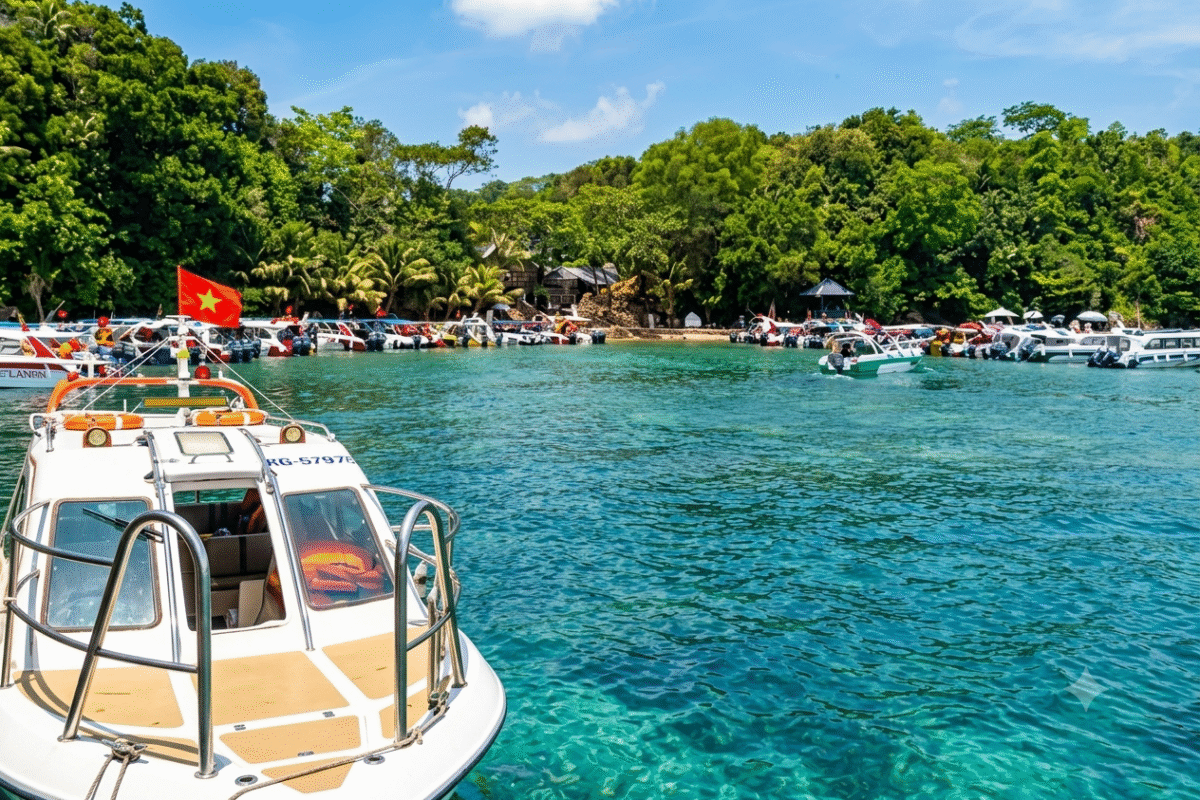
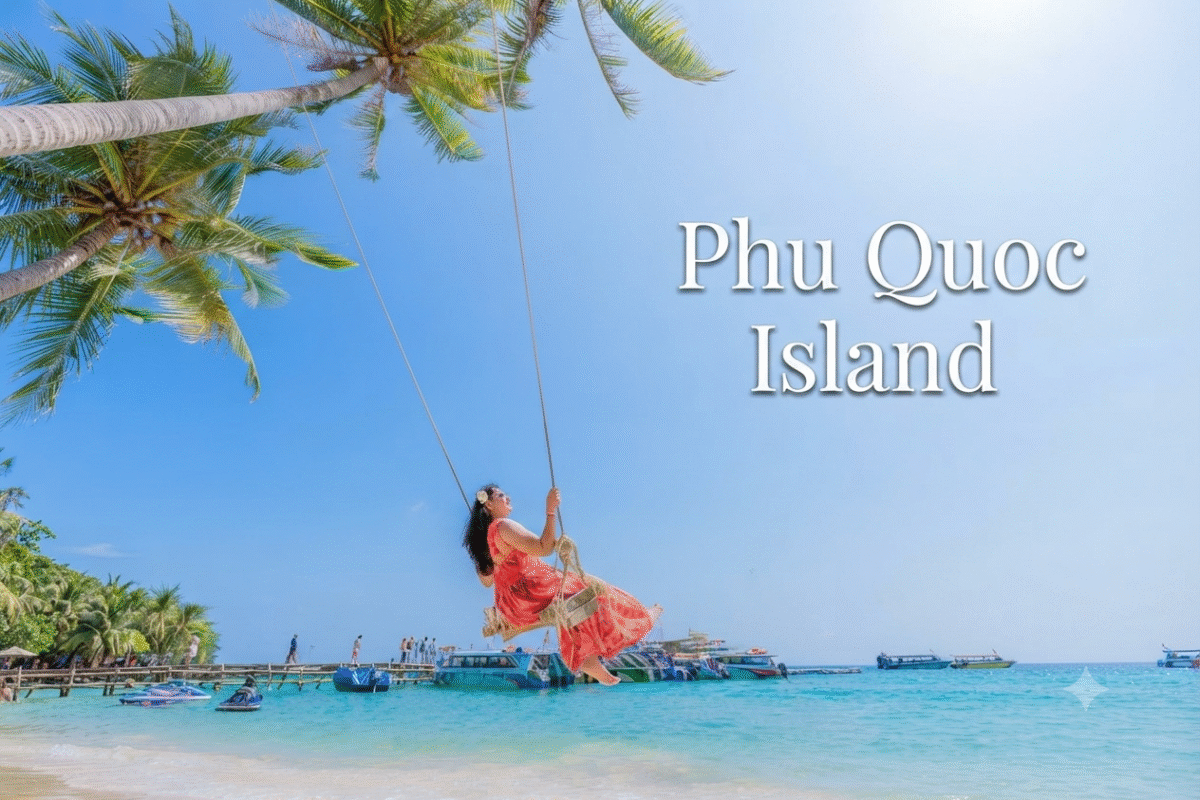
Fly south to Phu Quoc, Vietnam’s largest island. Visit local highlights including a pepper farm, fish sauce factory, pearl farm, and the sacred Dinh Cau Temple. End the evening at the lively Phu Quoc Night Market. (Overnight in Phu Quoc)
Day 5: Phu Quoc North Island Tour
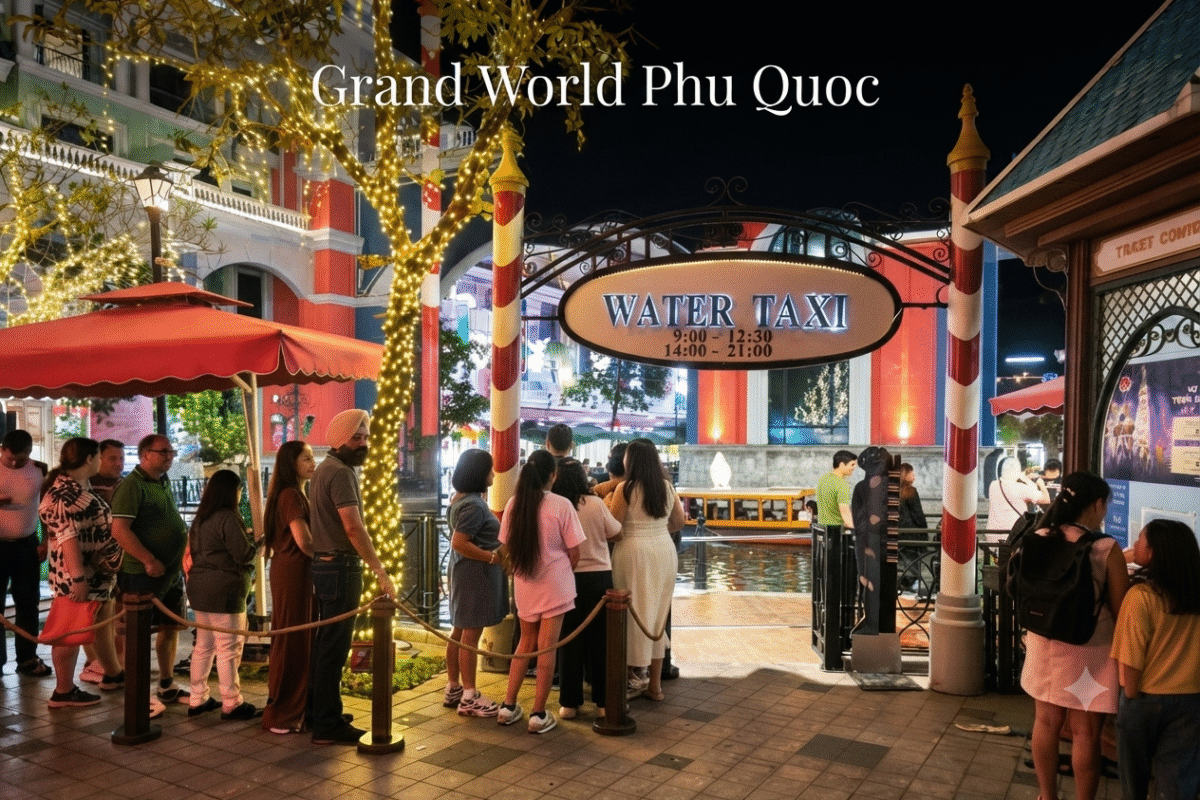
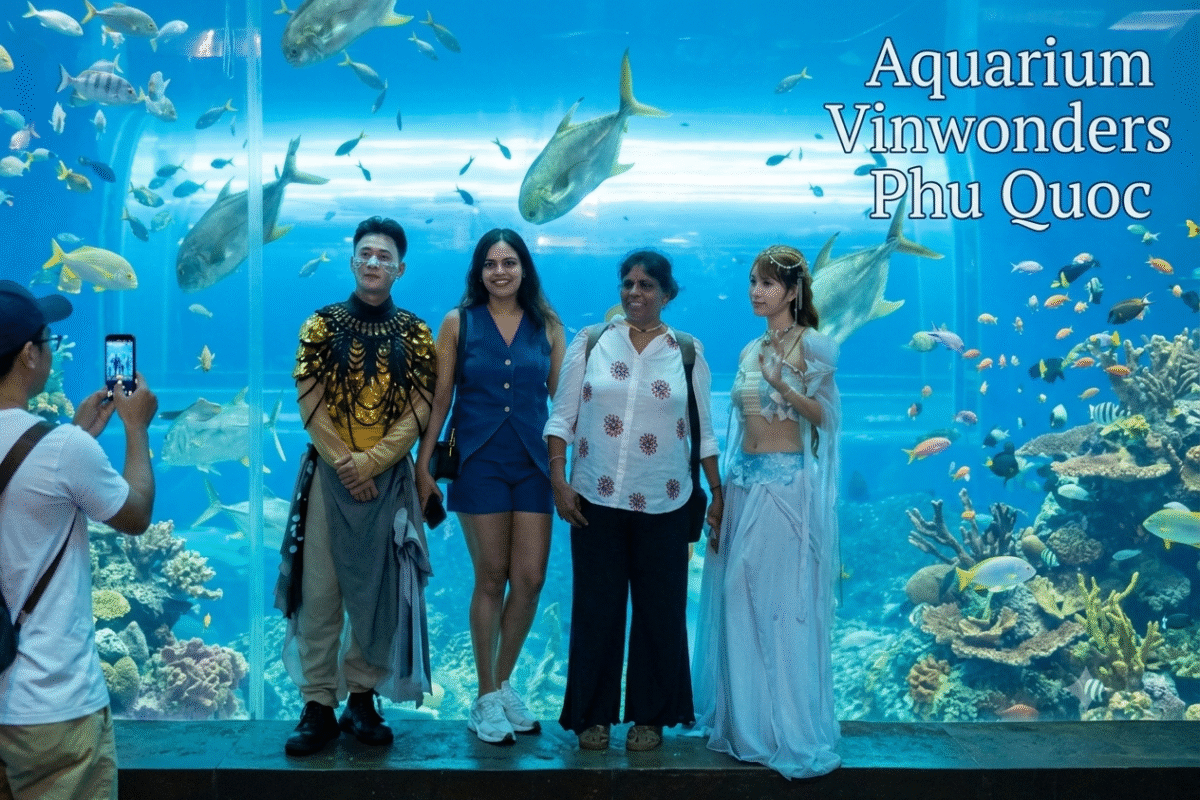
Spend the day exploring the island’s northern attractions. Visit Grand World and VinWonders amusement park, then encounter wildlife at Vinpearl Safari. (Overnight in Phu Quoc)
Day 6: Phu Quoc South Island Tour
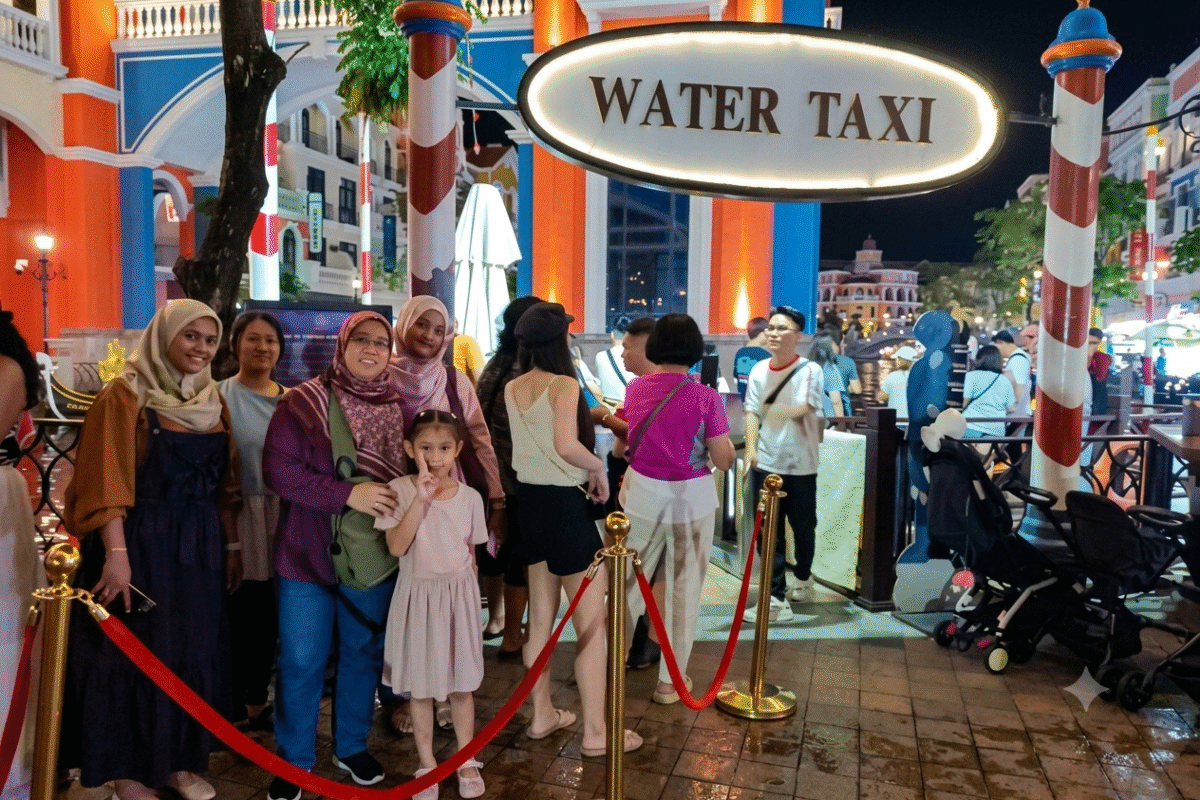
Explore the southern side of the island: Ho Quoc Pagoda, Coconut Prison museum, and the world’s longest sea-crossing cable car to Hon Thom Island. End the day at Sunset Town. (Overnight in Phu Quoc)
Day 7: Fly to Danang (Central Vietnam)
Arrive in Danang, a vibrant coastal city. Visit Marble Mountains, a cluster of limestone hills with caves and temples, then see the iconic Dragon Bridge lit up at night. (Overnight in Danang)
Day 8: Ba Na Hills & Hoi An Ancient Town
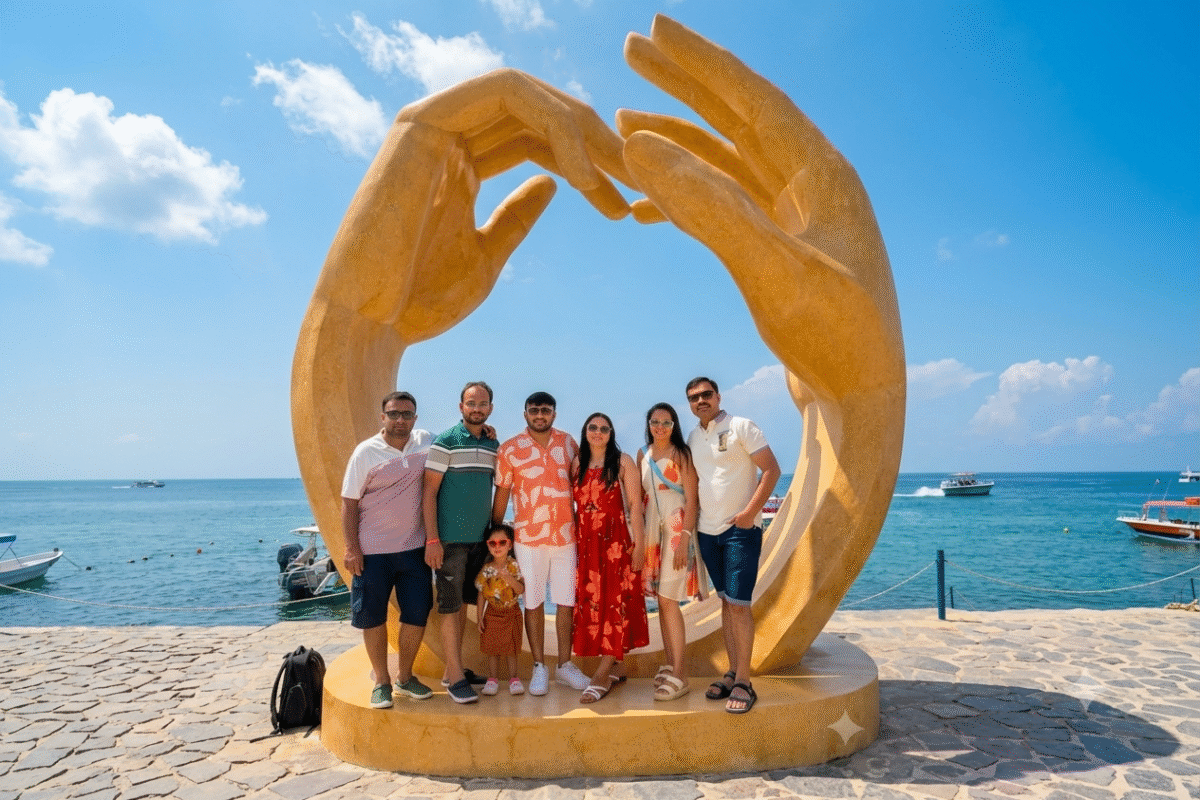
Take a scenic cable car ride up Ba Na Hills to visit the famous Golden Bridge, supported by giant stone hands. In the afternoon, explore Hoi An Ancient Town — a UNESCO World Heritage site with lantern-lit streets, riverside charm, and historic houses. (Overnight in Danang)
Day 9: Fly to Hanoi (Northern Vietnam)
Arrive in the capital and enjoy an evening stroll through the Old Quarter, discovering its lively streets, and relax by Hoan Kiem Lake. (Overnight in Hanoi)
Day 10: Full-Day Hanoi City Tour
Explore Hanoi’s cultural landmarks: Ho Chi Minh Complex, One Pillar Pagoda, Temple of Literature, Vietnam Ethnology Museum, and Hoa Lo Prison. (Overnight in Hanoi)
Day 11: Drive to Halong Bay
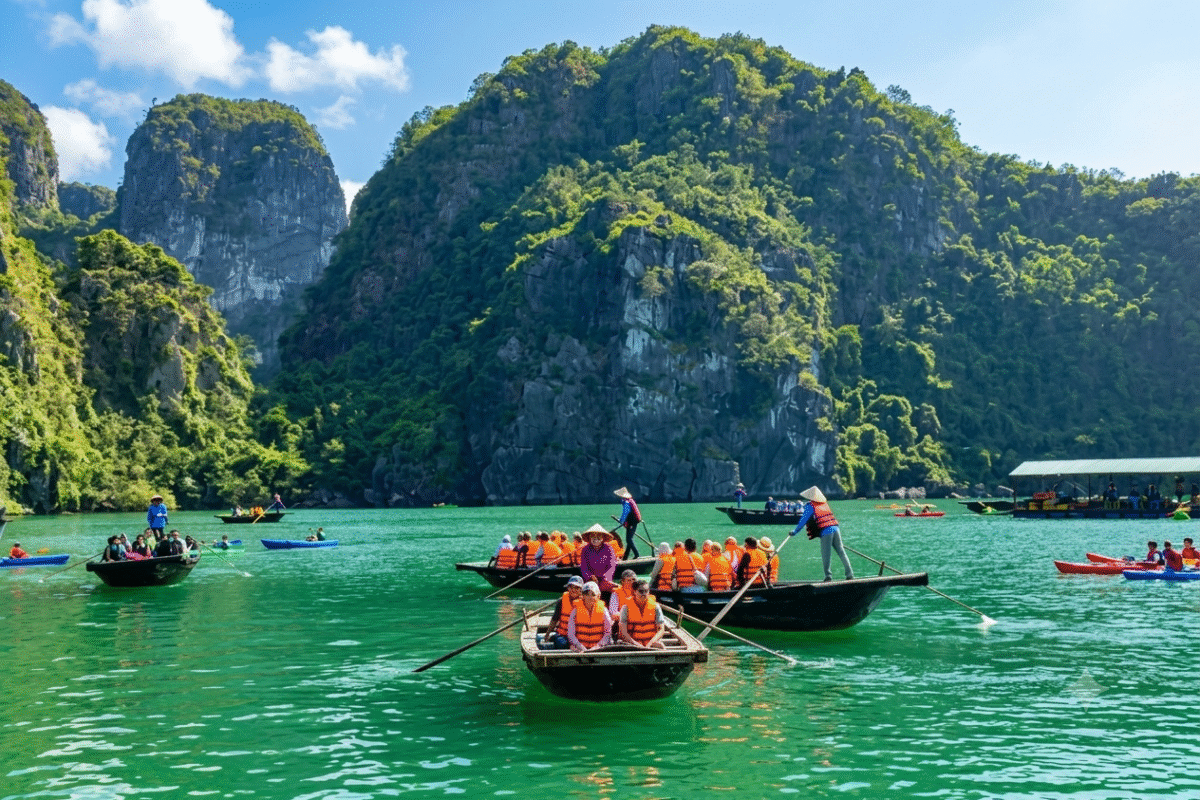
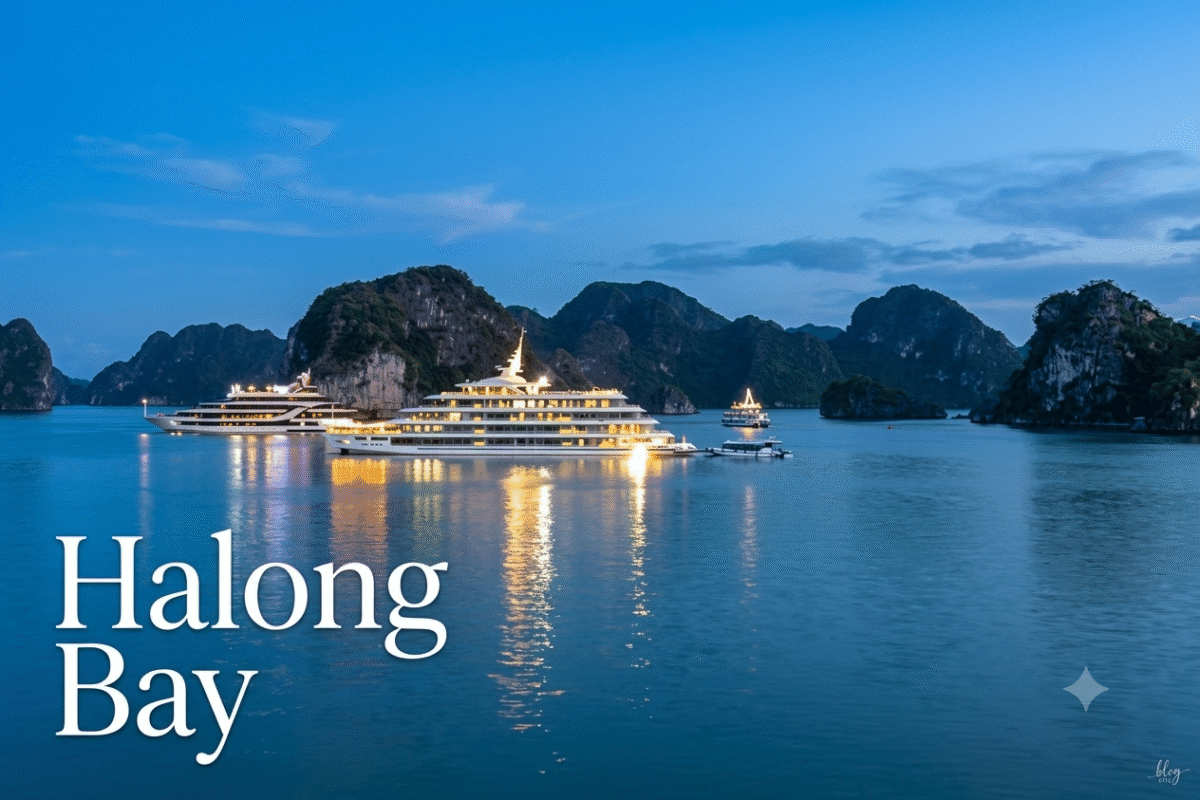
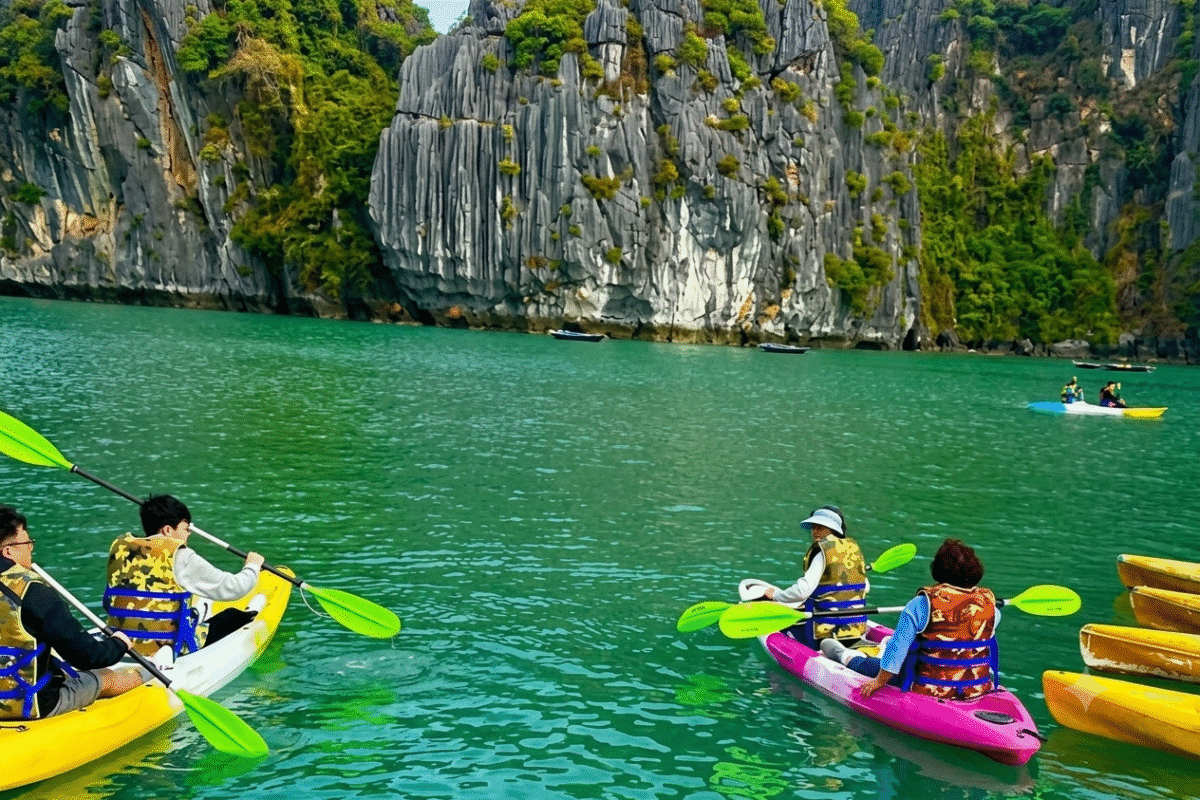
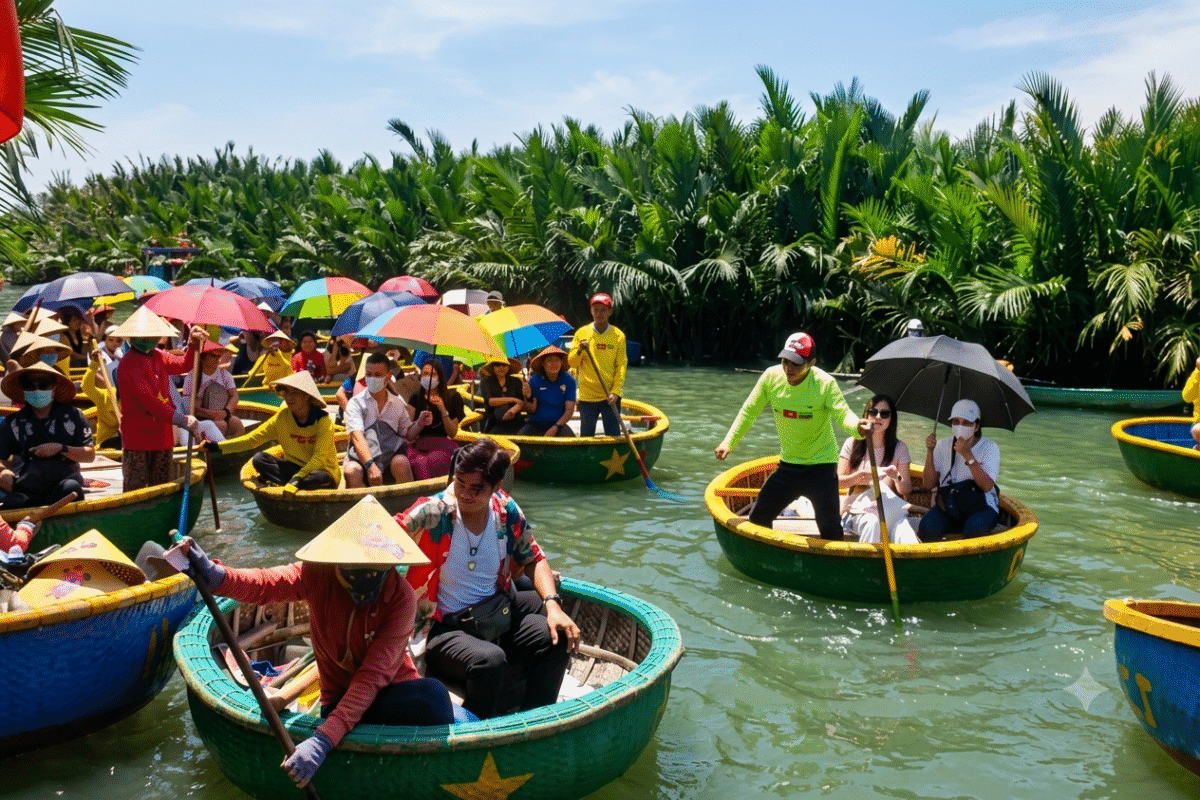
Travel 150 km to Halong Bay, a UNESCO World Heritage site. Embark on a half-day cruise, passing limestone islets and caves, with options for kayaking or a bamboo boat ride. (Overnight in Halong City)
Day 12: Halong Bay – Return to Hanoi – Departure
Wake up in Halong and enjoy a leisurely morning. After breakfast, check out from your hotel and begin the drive back to Hanoi (approximately 150 km). Depending on your flight schedule, you may have some free time for shopping or relaxing in the capital before transferring to Noi Bai International Airport for your departure. End of tour.
Plan your Vietnam adventure today or Search your perfect itinerary using the box above