My Travel Story
Sometimes, a single journey can change the direction of your life.
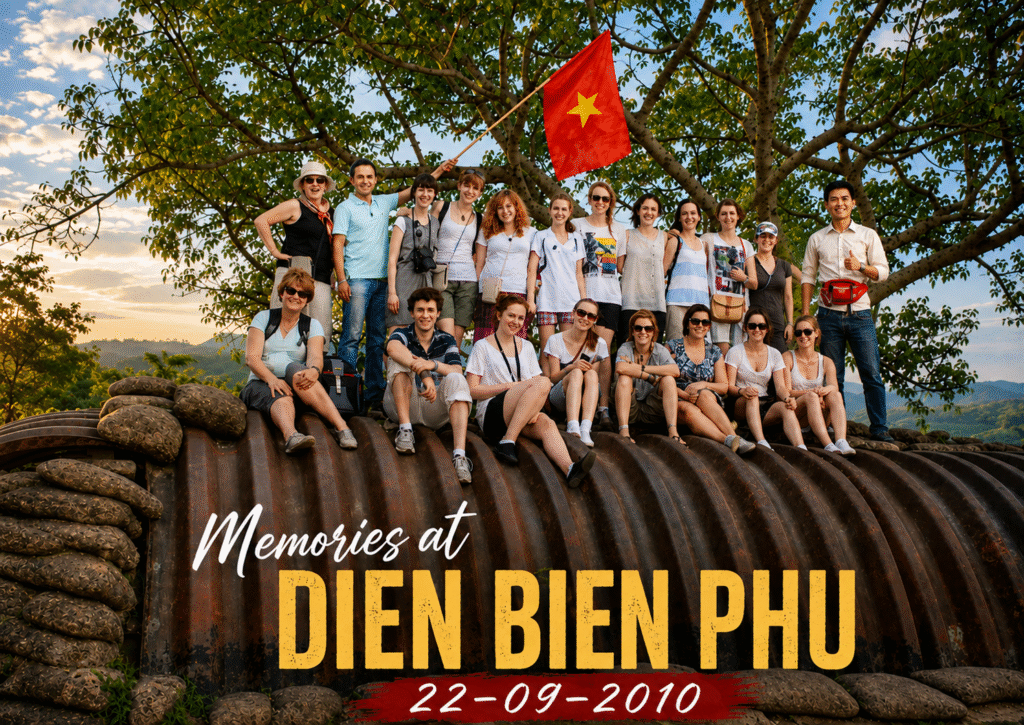
For me, that journey happened in 2010. It was my first 14-day Trans-Vietnam tour, my first experience traveling through so many parts of the country, and, believe it or not, the first time I had ever been on an airplane.
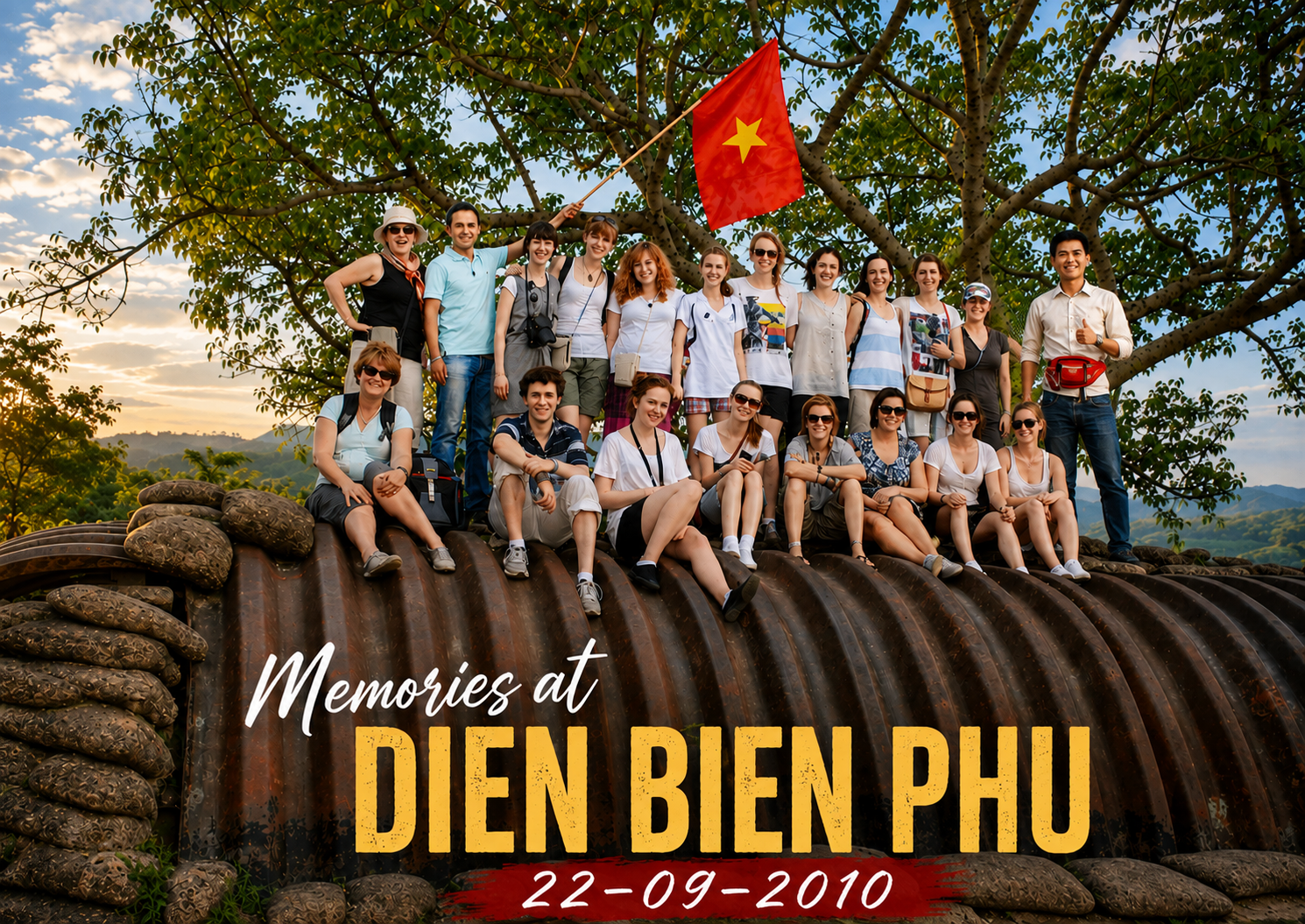
At that time, I was still new to tourism, working as a trainee guide. I was assigned to accompany an experienced professional guide and assist him with a 14-day Trans-Viet tour for a group of 18 pax including students, parents & teacher from New Zealand.
I didn’t know it then, but this trip would become one of the journeys that shaped my experience as a tour guide. Looking back now, after nearly 100 flights around Vietnam and countless journeys through the North, Central Vietnam, and the South, I can still remember how excited—and nervous—I was when I first stepped onto an airplane.
Day 1: My First Flight — Ho Chi Minh City to Hanoi
The tour started in Hanoi, but the two of us—the professional guide and I—were based in Ho Chi Minh City.
So, before meeting the group, we had to fly from Ho Chi Minh City to Hanoi’s Noi Bai Airport.
For most travelers, taking a domestic flight is nothing special. For me, it was completely different.
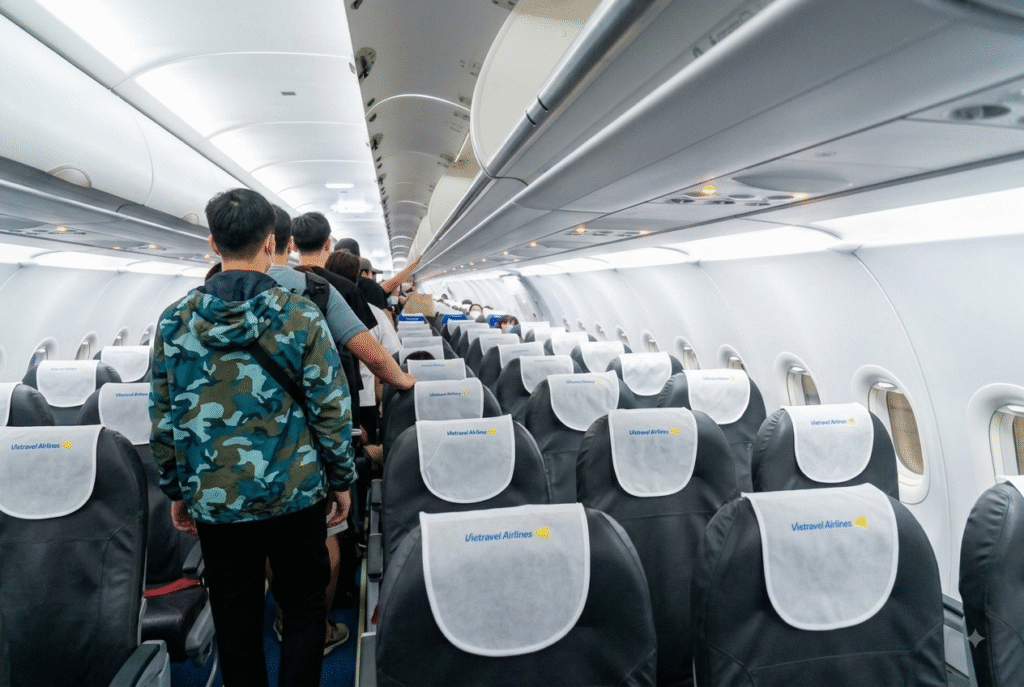
It was my first flight ever.
I remember the feeling of being at the airport, going through the procedures, boarding the aircraft, and then feeling the plane accelerate down the runway.
It was a simple experience for most people, but for me, it was something I would remember for the rest of my life.
Hanoi: Where Our Journey Began
After arriving at Noi Bai Airport, we welcomed the group and transferred to our hotel in Hanoi’s Old Quarter.
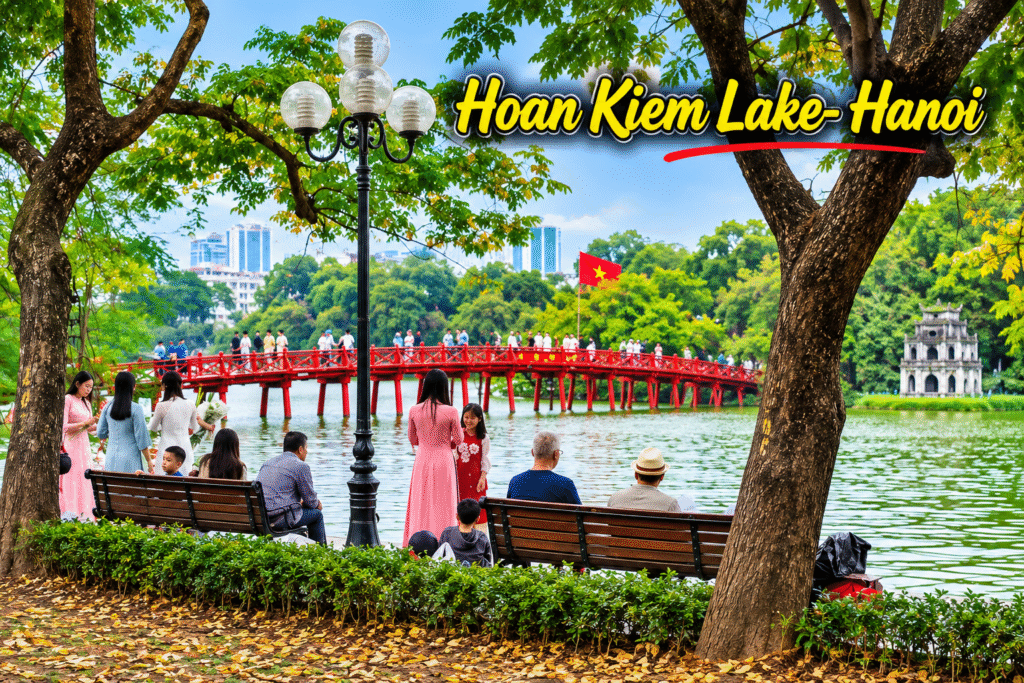
Late that afternoon, we took the students for a walk around Hoan Kiem Lake and explored some of the streets of the Old Quarter.
For the students, it was their first taste of Vietnam.
For me, it was the beginning of a journey that would take us through many different parts of the country.
Day 2: Exploring Hanoi
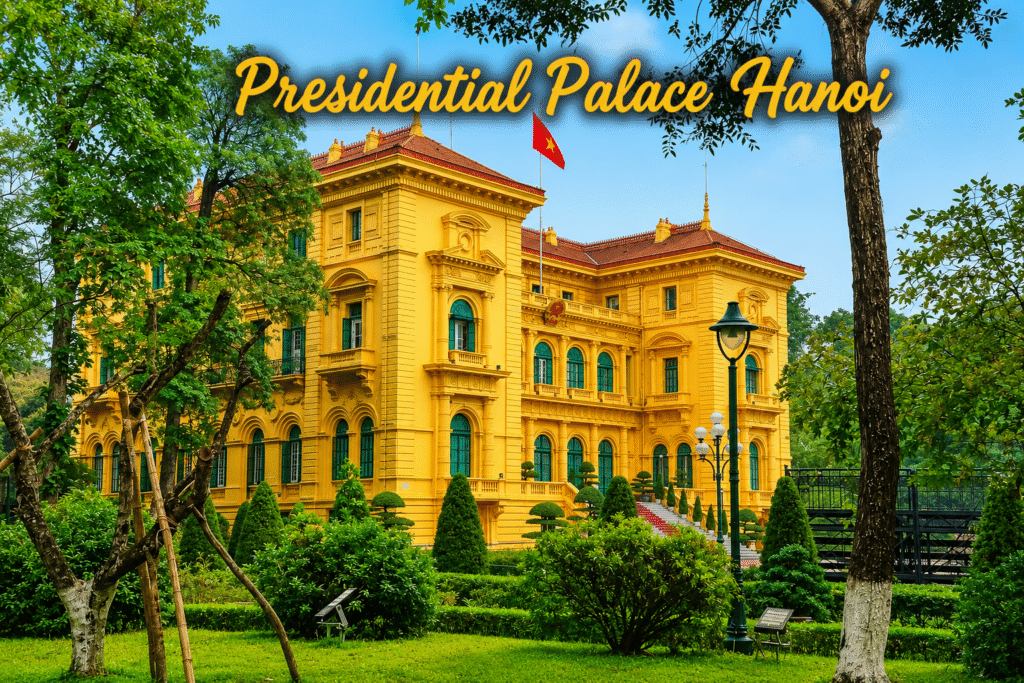
We started the day with a visit to the Ho Chi Minh Mausoleum, Presidential Palace, the Carpenter’s House, the Stilt House, the Fish Pond, Ho Chi Minh Museum, One Pillar Pagoda, Temple of Literature, and the former Hoa Lo Prison, also known to foreign visitors as the “Hanoi Hilton.”
It was more than sightseeing.
Throughout the journey, the students were learning about Vietnam’s history, culture, and difficult war years.
And as a young trainee guide, I was learning too.
Day 3: Flying to Dien Bien Phu
From Hanoi, we flew to Dien Bien Phu in northwestern Vietnam.
This was another memorable part of the journey for me because it showed me just how diverse Vietnam is.
We visited a museum and watched documentary footage about the Battle of Dien Bien Phu.
We spent the night at a resort before visiting important historical sites the following day.
Day 4: Exploring Dien Bien Phu
We visited General De Castries’ command bunker, a place whose history many Vietnamese students had learned by heart elementary school.
Then we moved on to A1 Hill, where we saw the huge bomb craters on the hillside.
Standing there and listening to the stories of the battle gave me a much deeper understanding of Vietnamese history than simply reading about it in a book.
After our visit, we flew back to Hanoi and spent the night there.
By this point, I was becoming more comfortable with flying—and with the responsibility of helping to look after an international group.
Day 5: Hanoi to Ha Long Bay — A UNESCO World Heritage Site
Back in Hanoi for a rest, the tour then continued to Ha Long Bay.
This was one of the highlights for the students.
We cruised around the bay and visited Titop Island, including its beach and the viewpoint at the summit.
We spent the night on the cruise.
Day 6: Exploring Ha Long Bay
We visited Paradise Cave and Dau Go Cave.
We continued cruising through the spectacular limestone islands and emerald waters of the bay.
After lunch, we returned to Hanoi.
The travel company had booked hotel rooms in Hanoi for us to take a short break of about two hours, rather than stay overnight.
After the break, we boarded a night train heading south.
We spent the night on the train.
The journey was now gradually taking us from northern Vietnam toward the central region.
Day 7: Dong Hoi to Hue
Following Vietnam’s War History Through the DMZ
After arriving in Dong Hoi, our bus picked us up from the train station.
One of our first stops was the Hien Luong Bridge, where we briefly explained to the students the former division along the 17th parallel between North and South Vietnam during the war.
From there, we continued to the Vinh Moc Tunnels.
The tunnels gave the students another opportunity to learn about the realities of the war and how local people lived underground during that difficult period.
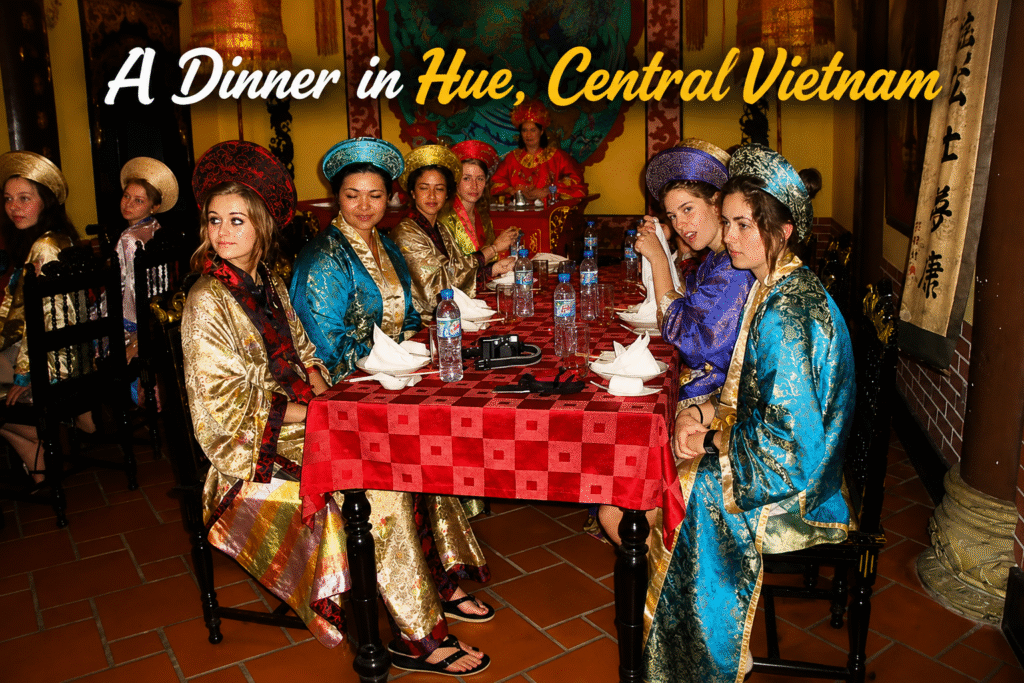
From the tunnels, we continued to Hue, the former imperial capital.
We spent the night in Hue.
Day 8: Hue — The Imperial Capital
The next day was dedicated to Hue and its historic citadel.
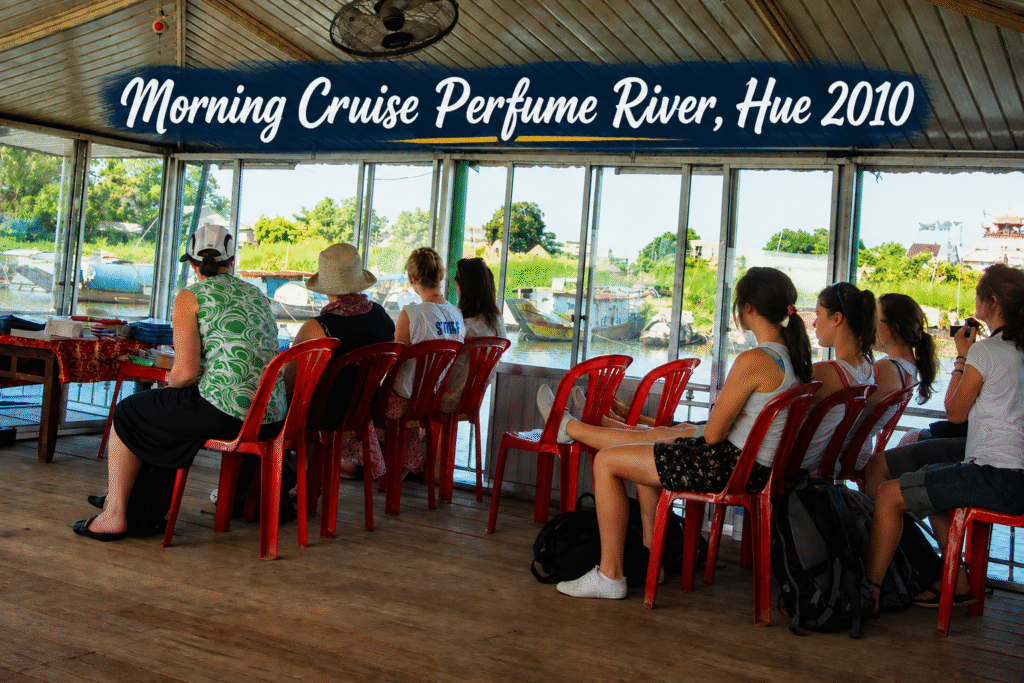
We visited the Hue Imperial Citadel and Thien Mu Pagoda, and later took a cruise on the Perfume River.
We spent another night in Hue.
Hue felt very different from Hanoi.
The atmosphere, architecture, food, and history all had their own character.
Traveling from one region to another was teaching me something that I would later come to appreciate deeply as a guide: Vietnam is not just one destination. Each region has its own identity, landscape, culture, and history.
Day 9: Hue to Da Nang, Then Hoi An
From Hue, we continued to Da Nang.
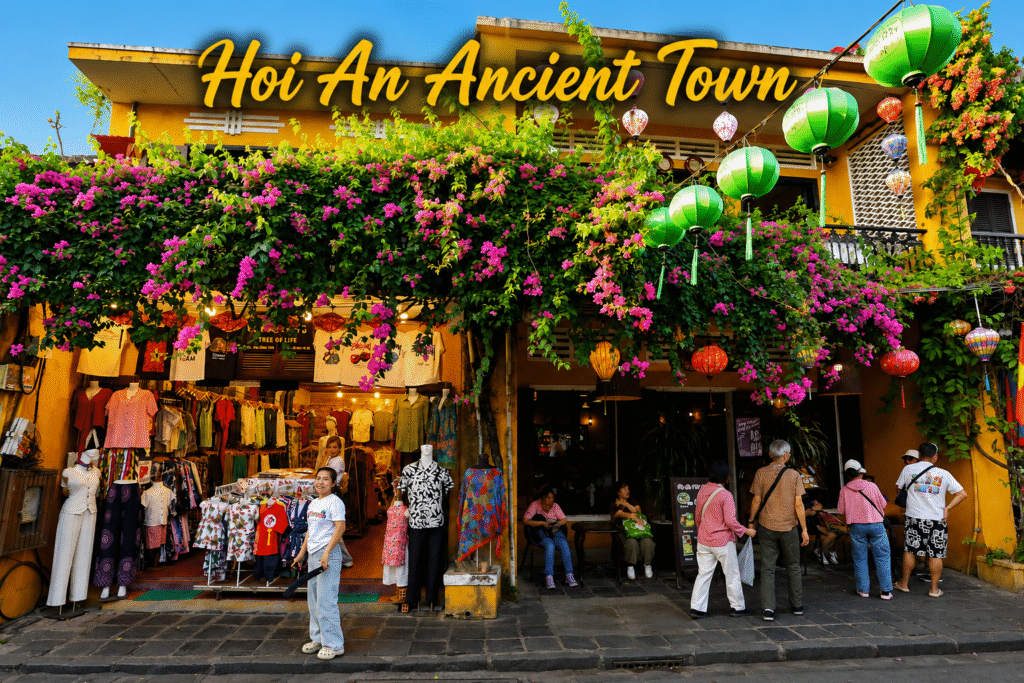
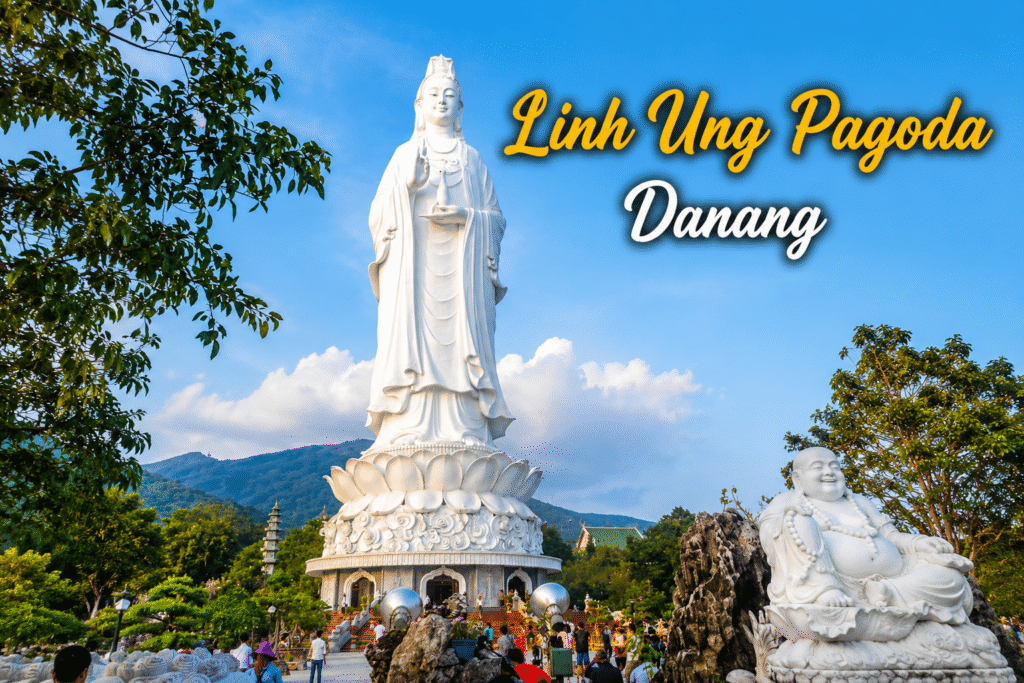
After arriving, we visited the Cham Museum, Marble Mountains, and Linh Ung Pagoda, before heading to Hoi An Ancient Town.
We spent the night in Hoi An.
Day 10: Hoi An to the My Lai Massacre Site
The next day, we traveled to My Lai.
There, the students had the opportunity to learn about the tragic events of the Vietnam War and meet a veteran who shared his war experiences and stories.
It was a very different kind of travel experience.
Not every destination is about beautiful scenery or taking photographs.
Some places ask us to stop, listen, and understand.
As a guide, I learned that these moments are just as important as the famous tourist attractions.
After leaving My Lai, we returned to Hoi An Ancient Town.
The students spent the afternoon exploring the old town before taking part in a cooking class in the evening.
Day 11: Hoi An to Ho Chi Minh City
The following morning brought another completely different experience.
We rode bicycles from our hotel into the countryside, passing through rice fields and small rural communities.
Eventually, we stopped at a vegetable farm.
The students didn’t just stand and watch the farmers. They were invited to take part.
They watered vegetables, learned how the farmers worked, and experienced a small part of everyday rural life in Vietnam.
For me, this was one of the most enjoyable parts of the trip.
It reminded me that travel becomes much more meaningful when visitors can experience a place rather than simply look at it.
In the afternoon, we checked out, drove to Da Nang, and flew to Ho Chi Minh City.
We spent the night in Ho Chi Minh City.
Day 12: Ho Chi Minh City and the Cu Chi Tunnels
Discovering Southern Vietnam
In Ho Chi Minh City, we visited the Cu Chi Tunnels in the morning and explored some of the city’s highlights in the afternoon.
We spent the night in Ho Chi Minh City.
Day 13: Ho Chi Minh City to Cai Be and Vinh Long
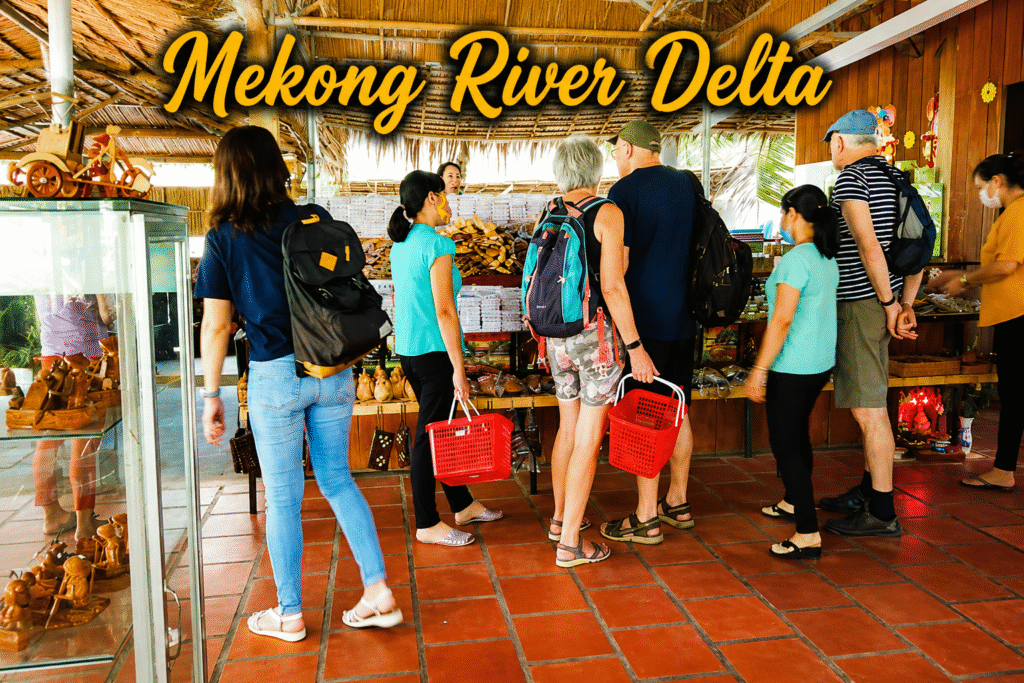
The following day, we headed into the Mekong Delta.
We visited Cai Be Floating Market and continued by boat toward Vinh Long, where the students experienced another very different side of Vietnam.
The landscape, lifestyle, and pace of life in the Mekong Delta were completely different from what they had experienced in Hanoi, Dien Bien Phu, Ha Long Bay, Hue, Da Nang, and Hoi An.
After the day’s activities, we returned to Ho Chi Minh City for the night.
Day 14: Ho Chi Minh City — Departure
Eventually, our 14-day journey came to an end.
The students had the full morning free at leisure before heading to the airport for the group’s flight home to New Zealand.
For the students, it was the end of their Trans-Vietnam adventure.
For me, it was the beginning of something much bigger.
As a trainee, the journey gave me something that no classroom could provide: real experience traveling through Vietnam and working with international visitors from different backgrounds.
I had traveled from Hanoi and the mountains of Dien Bien Phu, through Ha Long Bay and the historical sites of Central Vietnam, to Hoi An, Ho Chi Minh City, and finally the Mekong Delta.
I had traveled by airplane, train, bus, boat, and bicycle.
I had visited historical sites, cities, beaches, caves, ancient towns, rural villages, and the Mekong waterways.
Most importantly, I learned how different each part of Vietnam can be.
Nearly 100 Flights Later
Today, when I think about that first flight from Ho Chi Minh City to Hanoi, I sometimes find it hard to believe how much has changed.
That was my first flight.
Since then, I’ve flown nearly 100 times, traveled throughout Vietnam, guided visitors from many countries, and continued exploring the places I now write about on The Son Mekong.
That first Trans-Vietnam tour was therefore much more than just another tour assignment.
It was the beginning of my journey as a guide and a traveler.
And perhaps that is why, when I recommend a place to travelers today, I don’t want to simply tell them what they can see.
I want to share what I have learned from actually being there.
From the North to Central Vietnam and all the way down to the Mekong Delta, these experiences have shaped the way I see Vietnam—and the way I share it with travelers today.
If you are planning your own journey through Vietnam, I hope the stories and practical advice on The Son Mekong will help you travel with a little more confidence, curiosity, and connection to the places you visit.
A Note of Gratitude
Looking back at that first Trans-Viet tour, I also want to remember the people who helped make that experience possible.
Many thanks to:
Mr. Chaney, the professional guide on the tour, for introducing me to the tourism company and giving me the opportunity to explore different parts of Vietnam.
Active Asia Travel, for accepting me as a trainee guide and, most importantly, for generously covering all my expenses throughout the 14-day Trans-Vietnam tour, including four flights—Ho Chi Minh City–Hanoi, Hanoi–Dien Bien Phu, Dien Bien Phu–Hanoi, and Da Nang–Ho Chi Minh City—as well as some guide fees.
At the time, it was a long and very important journey for me, giving me a valuable opportunity to learn, gain experience, and take an important step forward in my career as a tour guide.
All the tourists—students, teachers, and parents from St. Margaret’s School, New Zealand.
You were part of one of the most important early experiences of my career, and I am still grateful for the opportunity to have travelled with you.
Many, many thanks to you all again.
Looking back now, I realize how many people contributed to the beginning of my journey as a tour guide.
I may have been only a trainee at the time, but that 14-day journey gave me experiences, confidence, and memories that have stayed with me for many years.
For that, I will always be grateful.
Thank you for visiting.